The Tower in Orbit: Airtel, Starlink, and Africa’s Next Connectivity Layer
Article
Airtel Africa and Starlink have launched satellite-to-mobile connectivity in the DRC, bringing mobile coverage to areas beyond traditional networks.
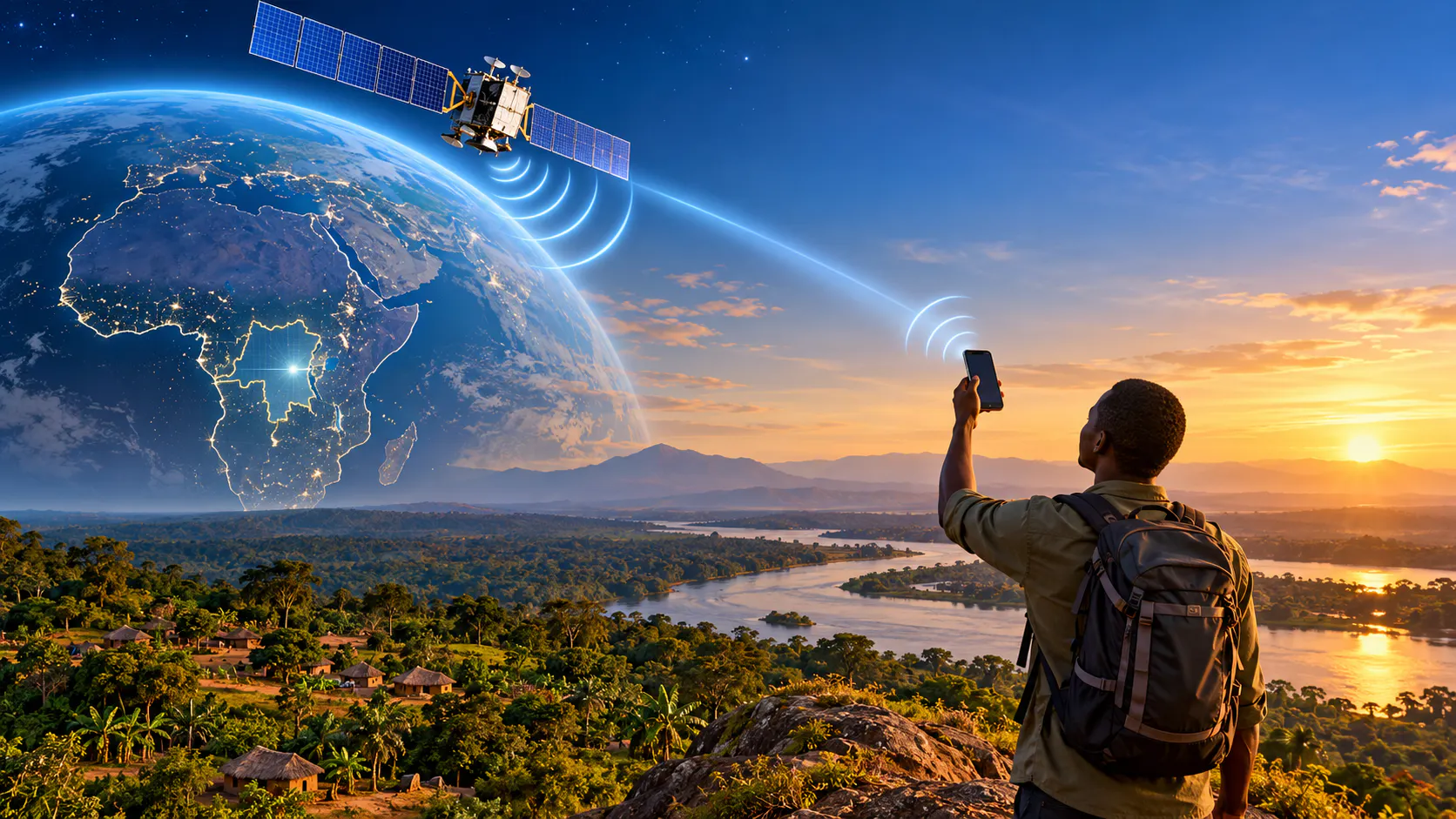
Airtel Africa and Starlink have launched satellite-to-mobile connectivity in the DRC, bringing mobile coverage to areas beyond traditional networks.
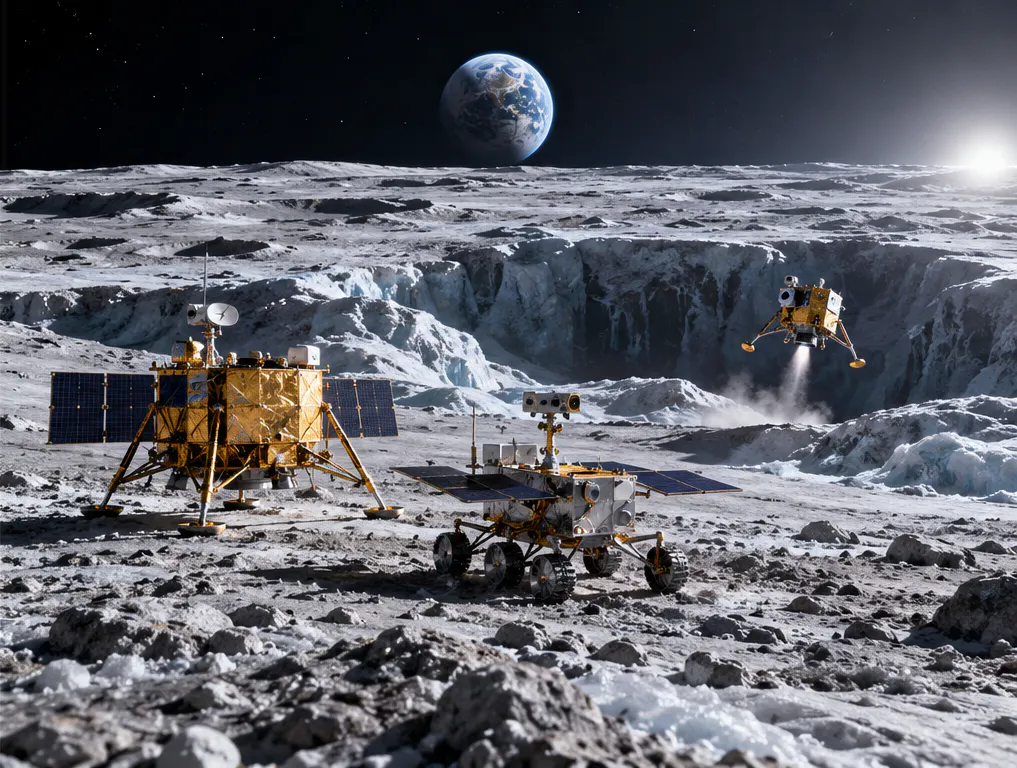
The postponement of China’s Chang’e-7 mission to 2027 highlights the challenges of lunar exploration, where launch windows, environmental conditions and international cooperation all play a crucial role.
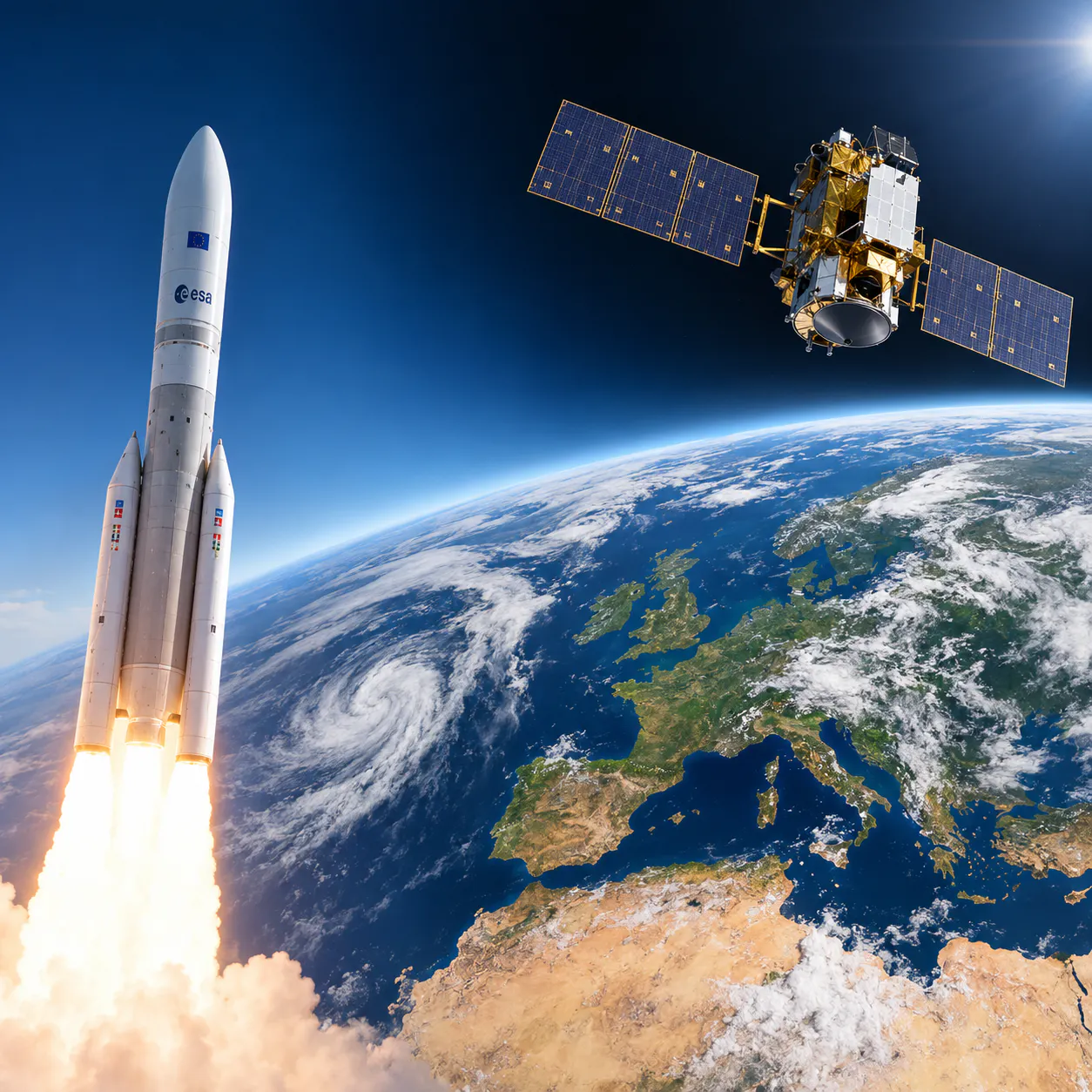
Ariane 6 has reached a new milestone with its first mission to geostationary transfer orbit, carrying Europe’s latest weather satellite, MTG-I2. Beyond this achievement, growing commercial demand is shaping the launcher’s next challenge: turning European access to space into a reliable, high-cadence industrial capability.
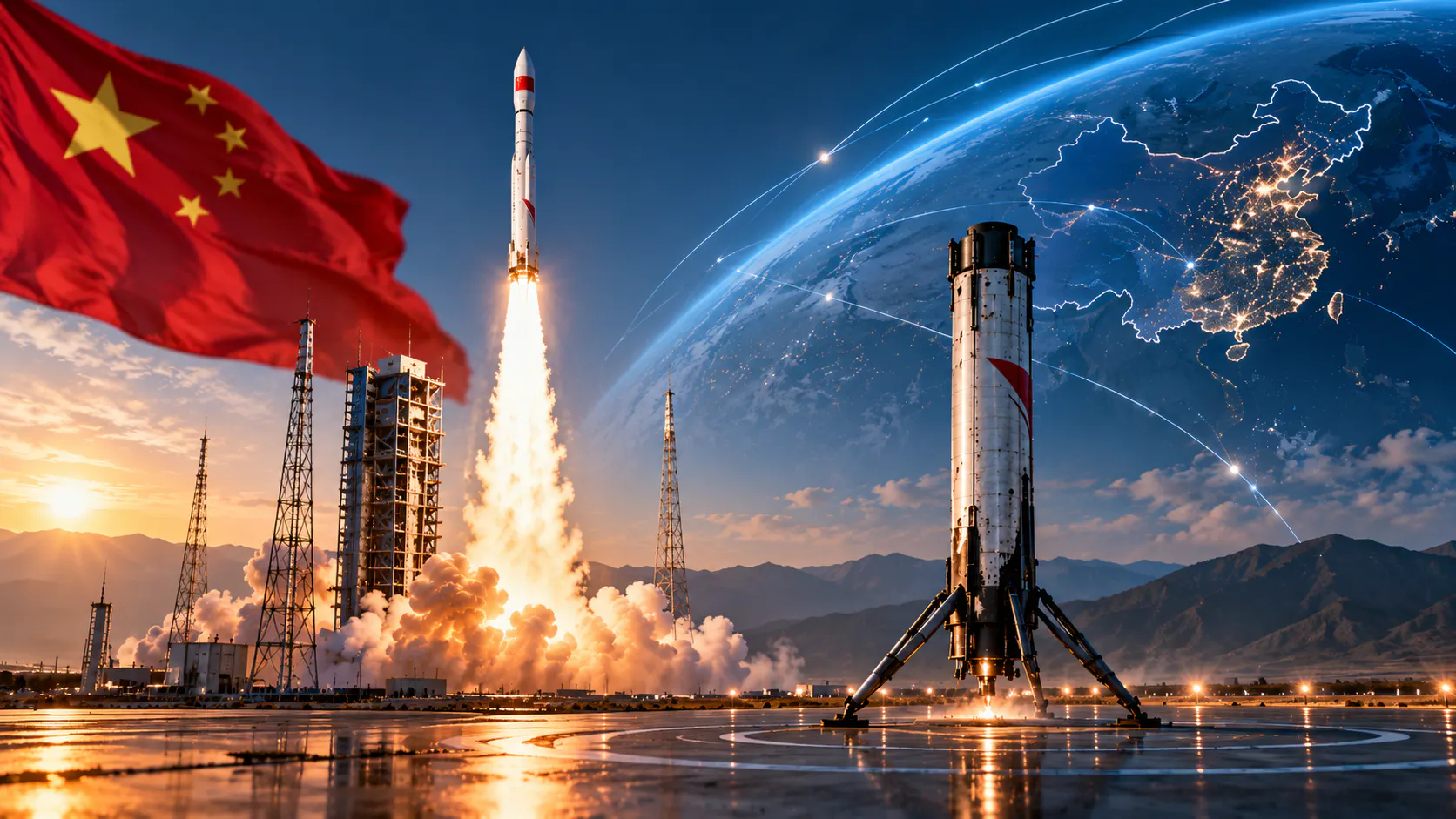
Zhuque-3 marks an important step in China’s reusable launch ambitions. But the real challenge goes beyond landing: turning reusability into a scalable, safe and economically viable launch ecosystem.
SpaceX is taking rocket reusability to a new level. With Falcon 9 boosters flying dozens of times, reuse is becoming a normal part of space operations, helping increase launch frequency and reduce costs.
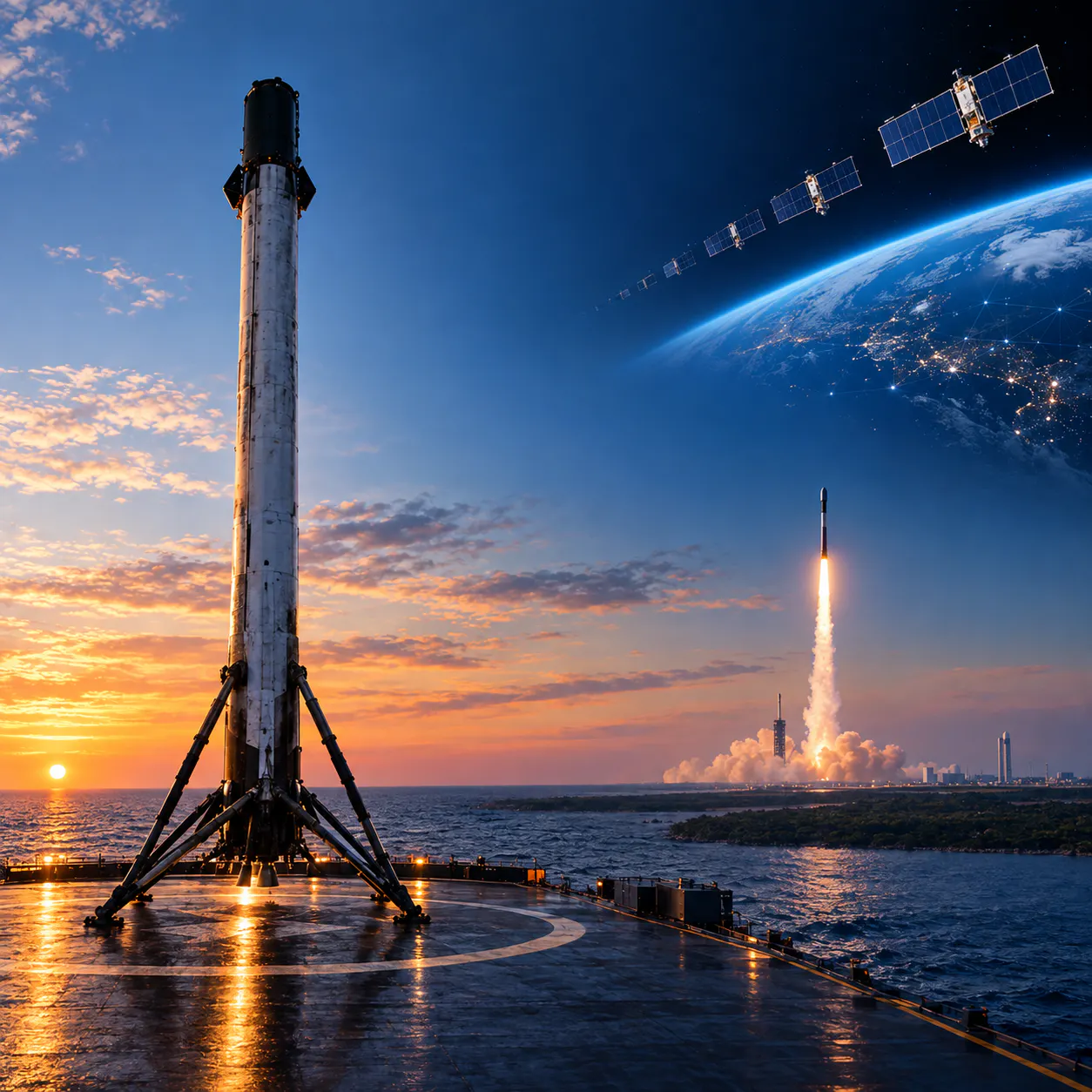
Europe has ambitious plans for space, but can its launch capacity keep up?
With programmes such as IRIS², Galileo and Copernicus increasing demand, access to orbit is becoming an important part of the debate around European space sovereignty.
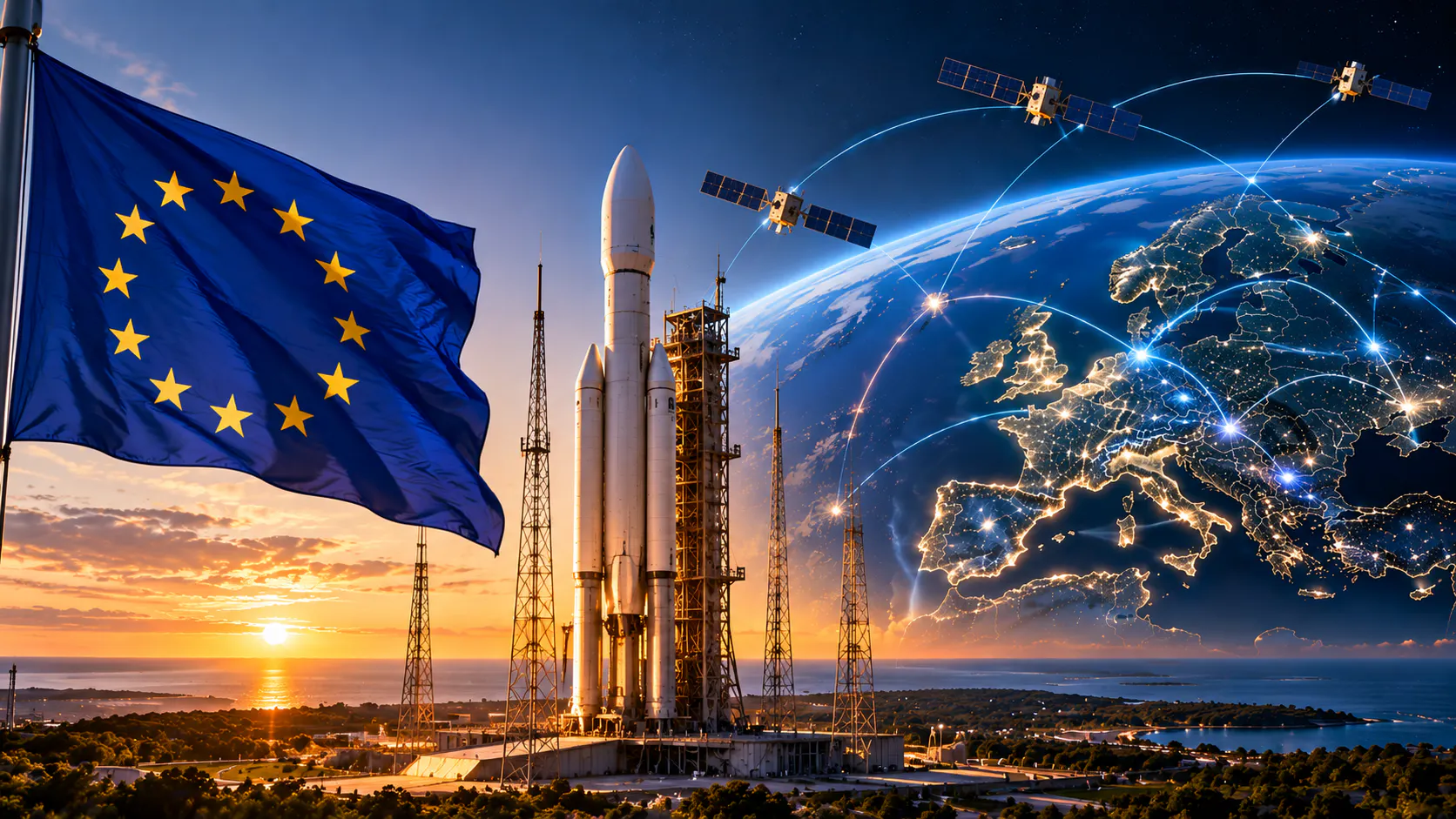
The Roman Space Telescope launch shows how public space mission increansingly depend on privates company.Althought SpaceX provides the launch,the United States remains internationally responsible under the space law.The retirement of Falcon Heavy also highlights the importance of having reliable alternative launch capabilities.

SpaceX’s IPO marks more than a financial milestone—it signals the transformation of space into a major public infrastructure and technology market, connecting launch, communications, AI and strategic investment.

Japan’s challenge in space is no longer technology, but commercialisation. While JAXA has built world-class capabilities, the next step is creating sustainable private markets. Companies like Space One and Astroscale show both the opportunities and challenges of turning engineering excellence into commercial success.
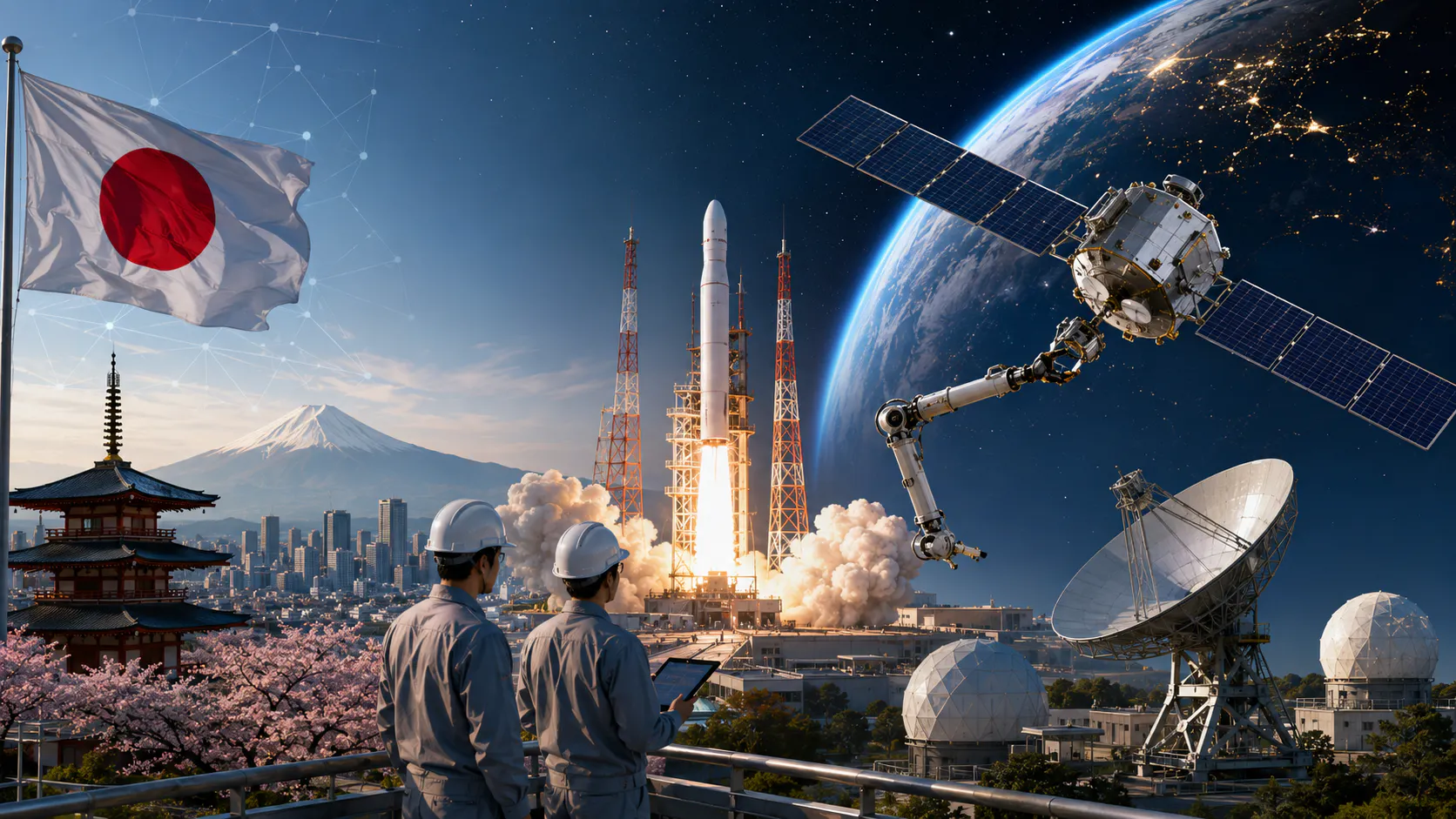
Space sovereignty is becoming a key pillar of resilience in the Asia-Pacific. The region's leading space nations are strengthening domestic capabilities while leveraging international partnerships to secure critical services and strategic autonomy.

ClimCAM highlights Africa’s growing role in space through international cooperation, Earth Observation data, and the pursuit of greater data sovereignty to support sustainable development.
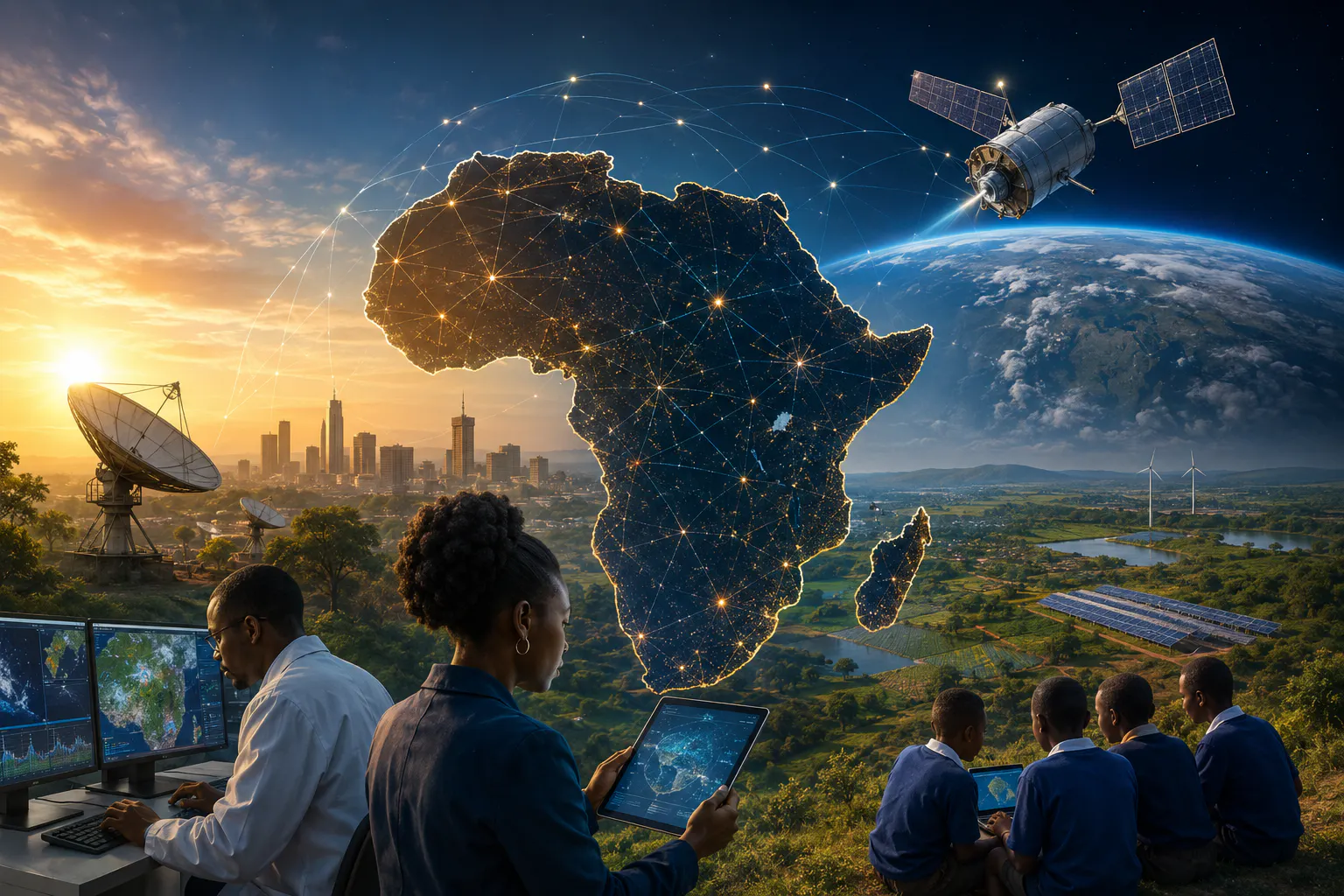
ClimCAM offers a new perspective on benefit-sharing in space law, highlighting Africa’s growing role in transforming space data into tools for sustainable development.
The next space frontier is not only orbit — it is access, impact and sovereignty.
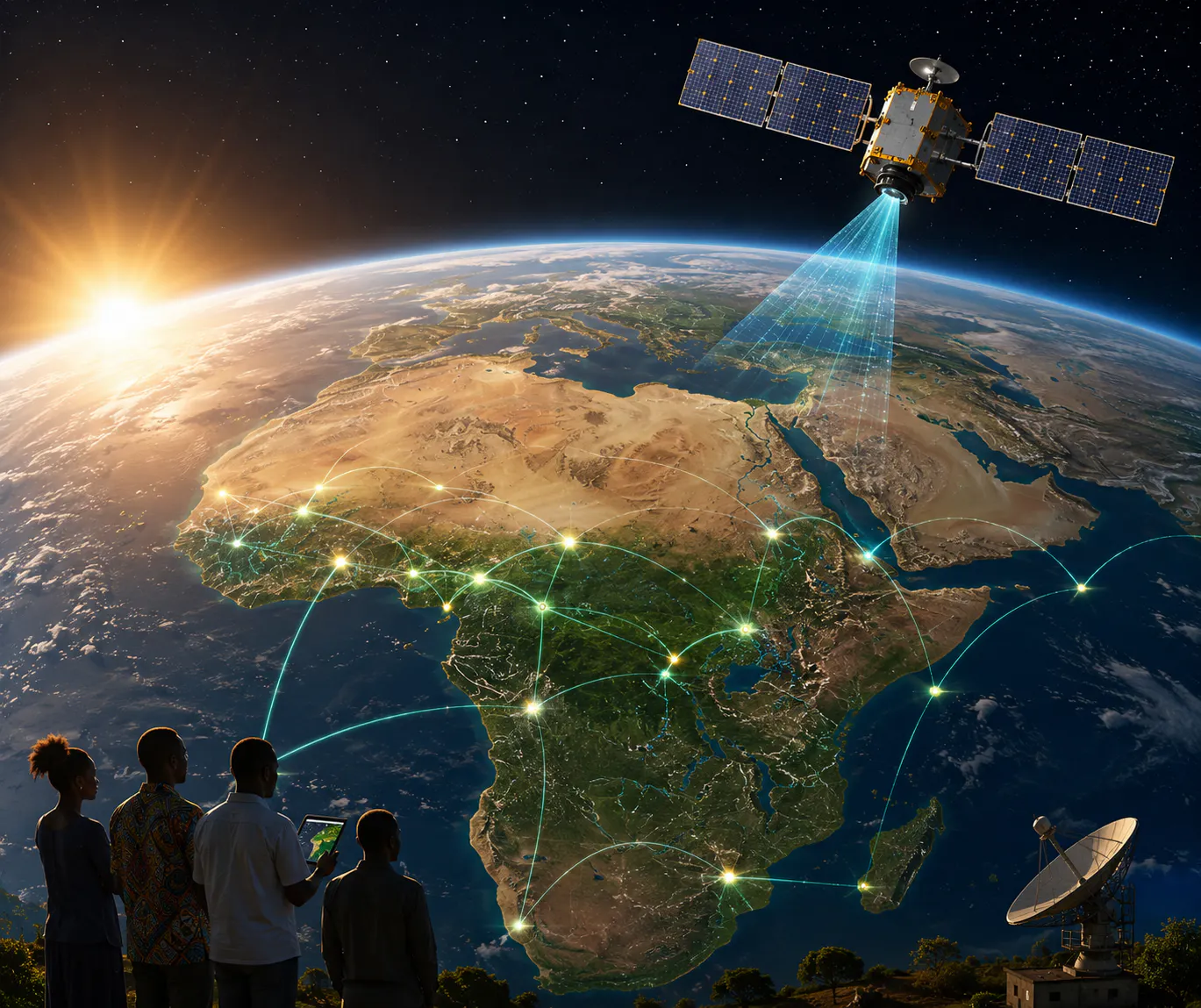
Kenya’s ClimCam satellite shows Africa’s growing space cooperation, using AI technology to support climate monitoring while highlighting the need for stronger space law and governance.

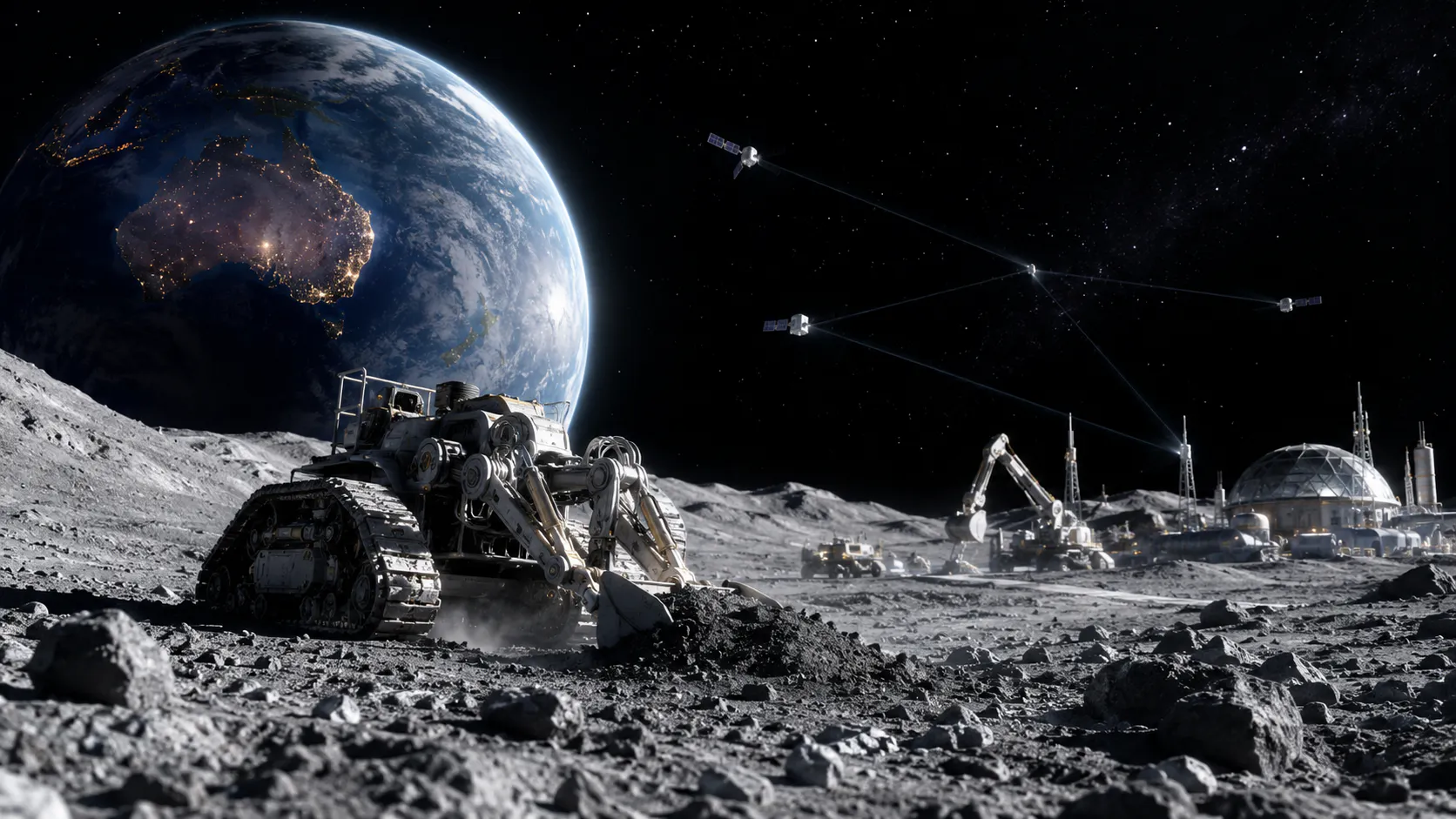
Australia is leveraging its expertise in robotics, mining, and autonomous systems to become a key supplier in the emerging lunar economy. Through the Artemis programme and international partnerships, it aims to provide the technologies needed to support future commercial lunar operations.
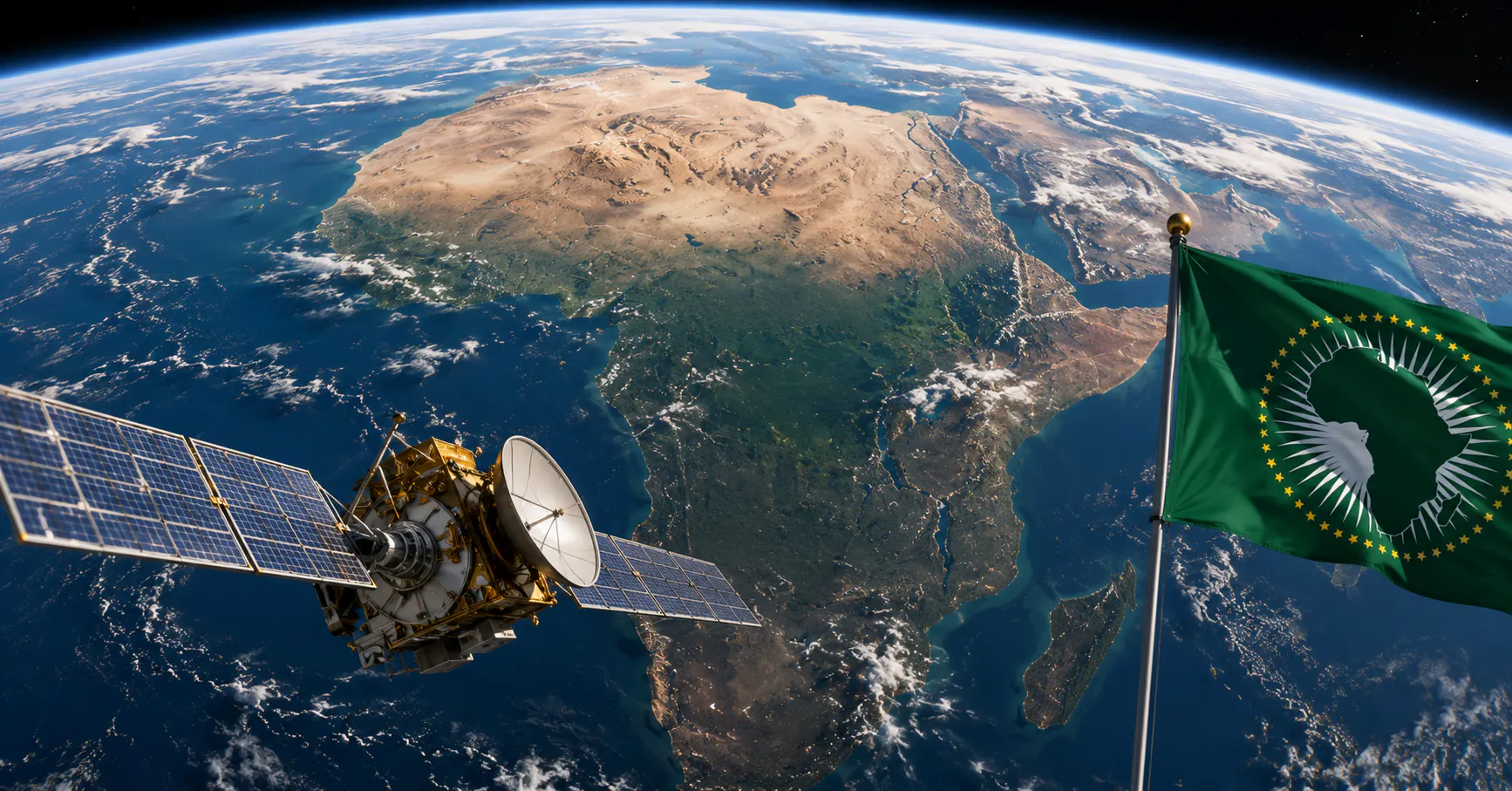
The African Union develops Africa’s space sector through cooperation, technology, and the creation of the African Space Agency, while facing challenges in funding, infrastructure, and skills.
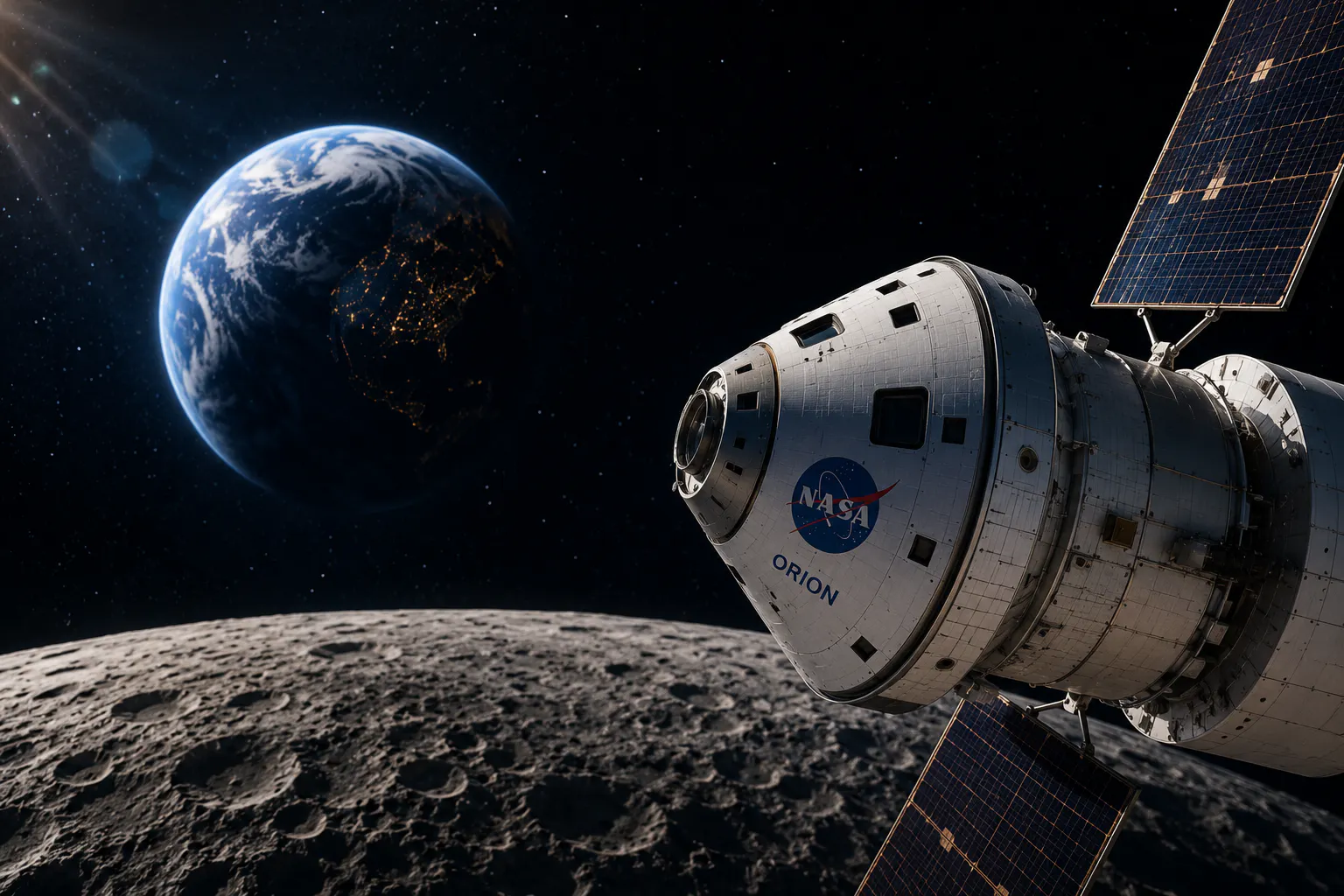
Artemis II validated key systems for future human missions beyond Earth orbit and progress toward sustainable lunar exploration.
Space missions are exciting but risky, and failures can have serious technical and legal consequences. Space law determines responsibility when things go wrong.
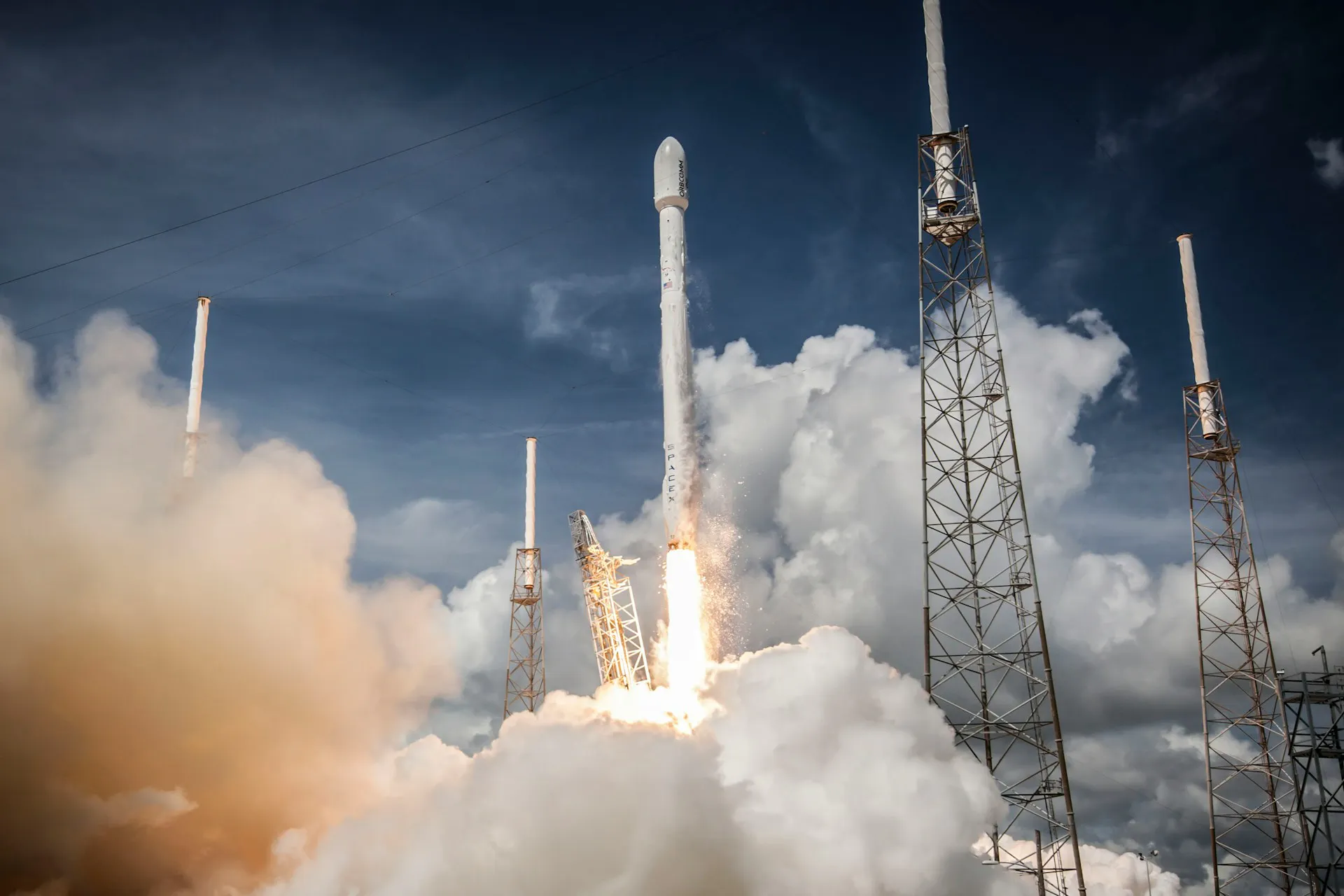
Africa Space Law Conference (May 2026) highlighted Africa’s goal to move from space participation to leadership, focusing on governance, security, and space as key infrastructure for development.

Lunar data sharing is essential for cooperative, safe, and sustainable exploration of the Moon.
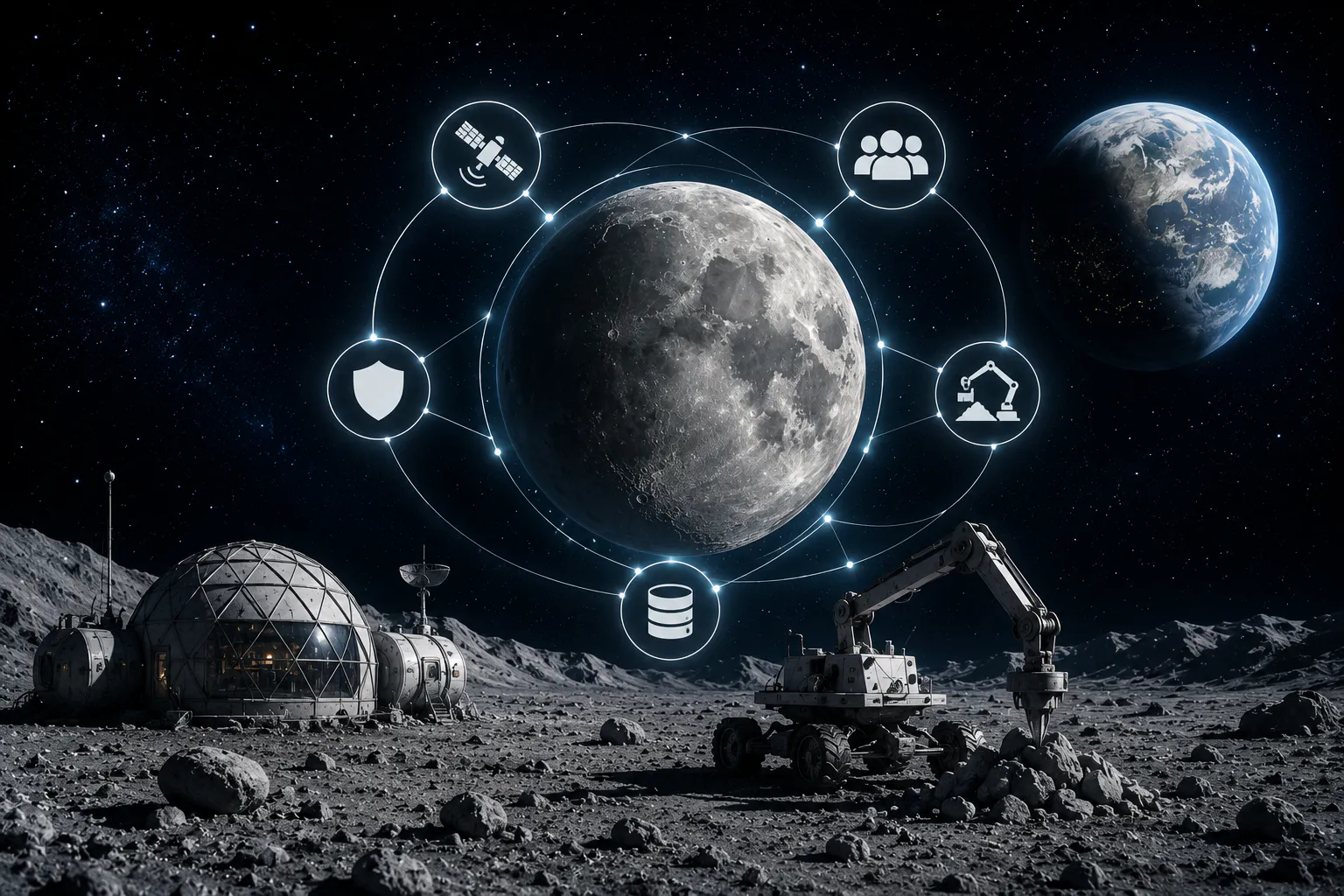
Orbital AI enables satellites to operate autonomously in real time, increasing efficiency while raising governance and security concerns.
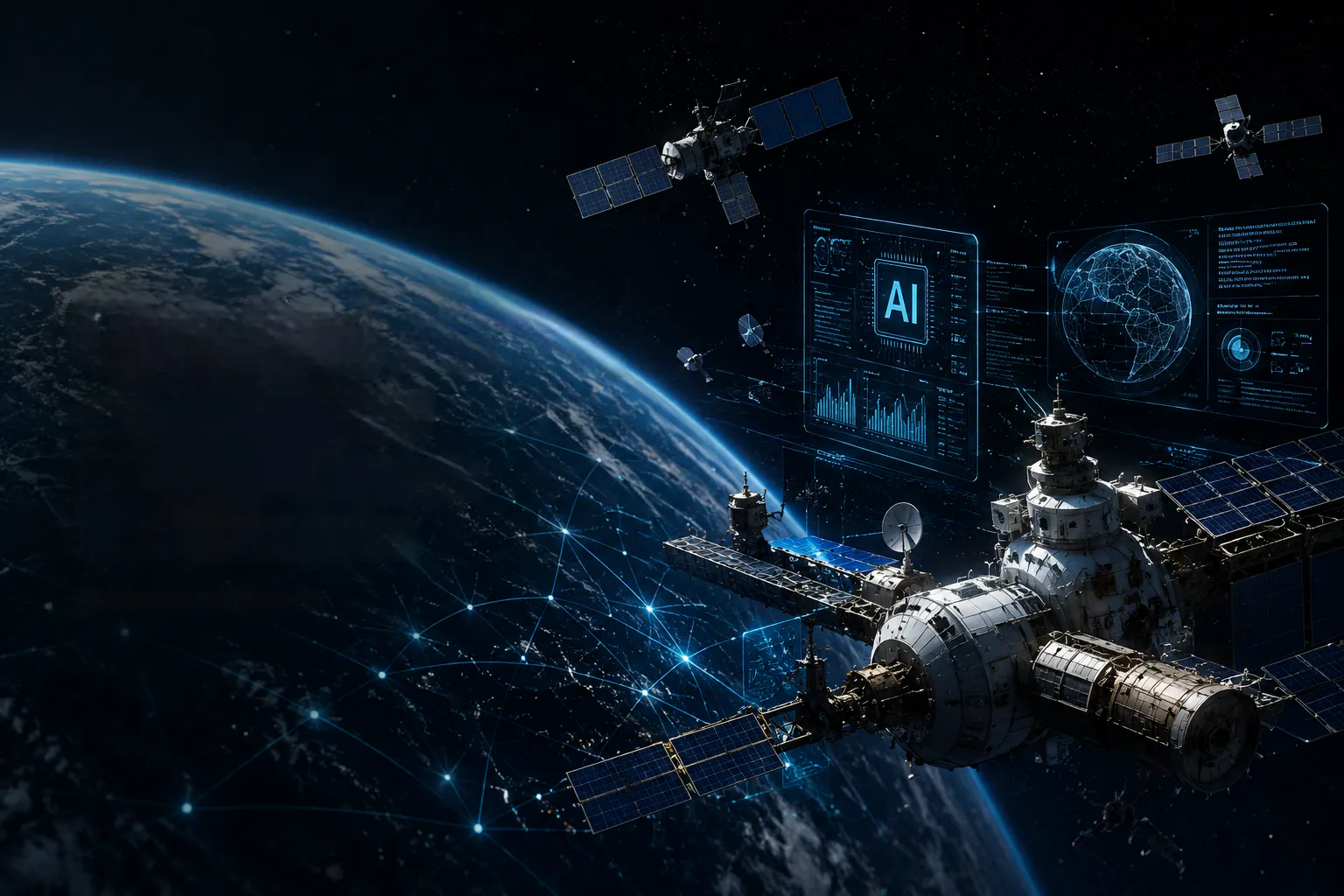
Satellites are shifting from data collectors to AI processors in orbit, enabling faster insights from Earth observation. NVIDIA’s computing technology supports this move toward space-based edge computing and smarter satellite networks.
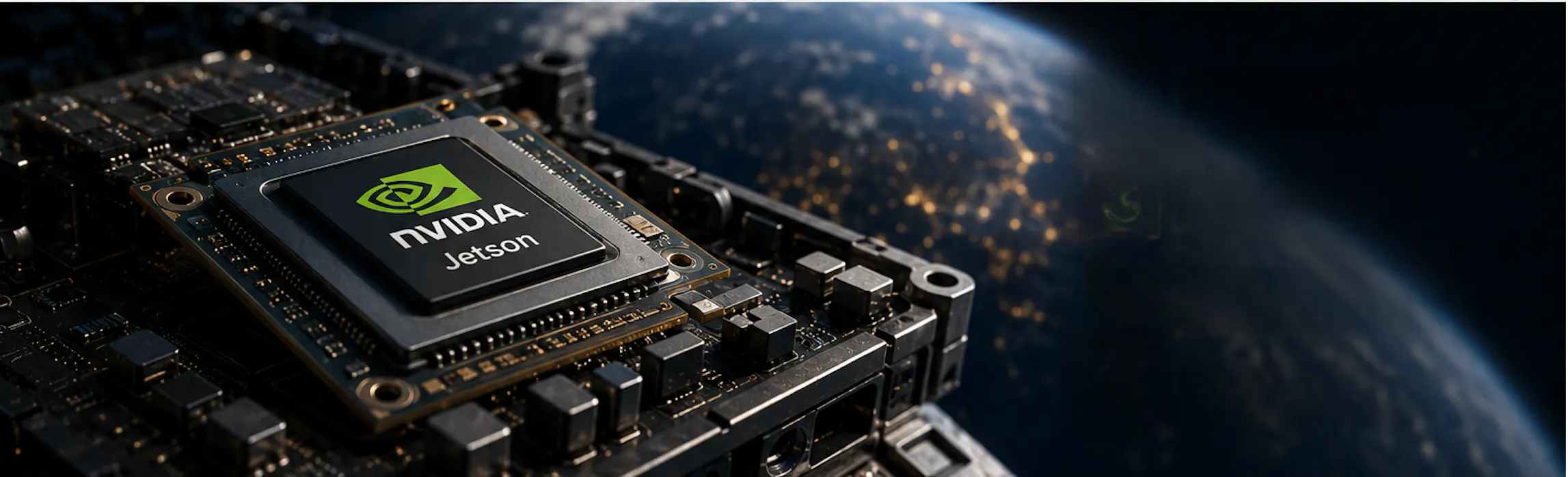
Advanced AI chips are enabling satellites to operate autonomously, thereby elevating computational capability to a strategic and geopolitical asset as space missions grow increasingly complex and extend farther from Earth.
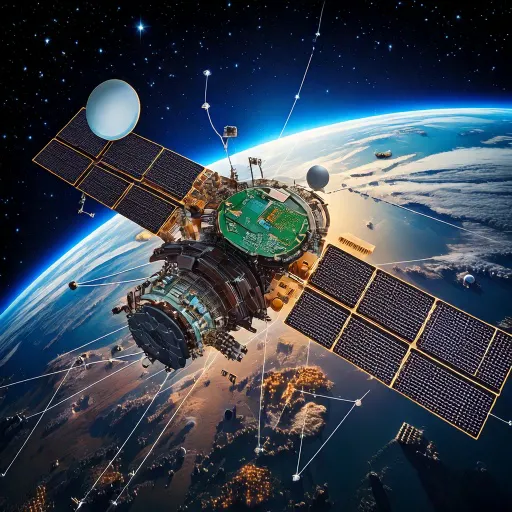
AI-driven autonomy is transforming space operations, enabling safer, smarter, and more sustainable missions beyond Earth.
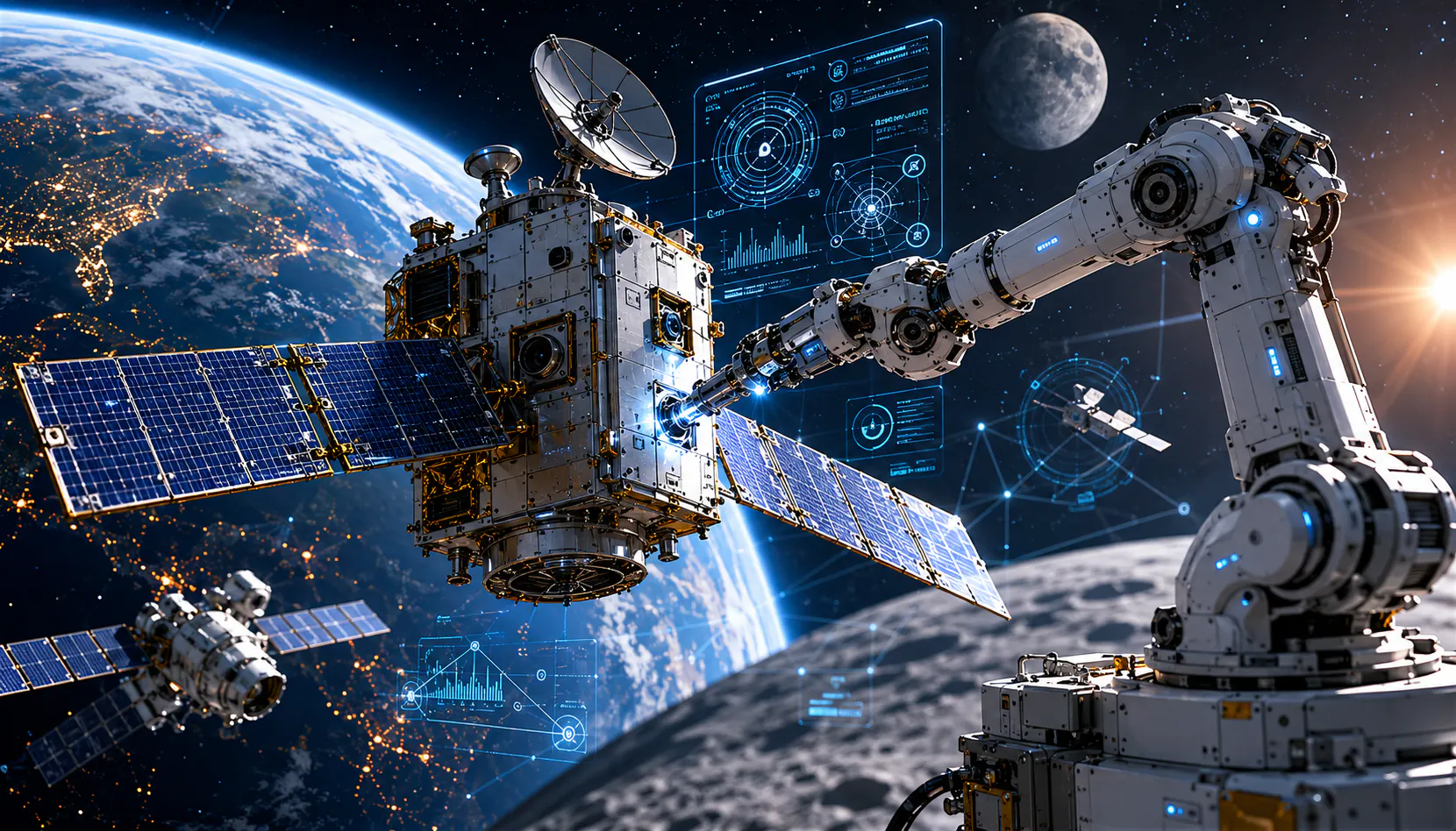
China’s latest lunar missions are pushing the boundaries of deep space exploration and scientific discovery.

China is developing large satellite networks to grow its space industry and global influence. Space is becoming important for technology, business, and international competition.
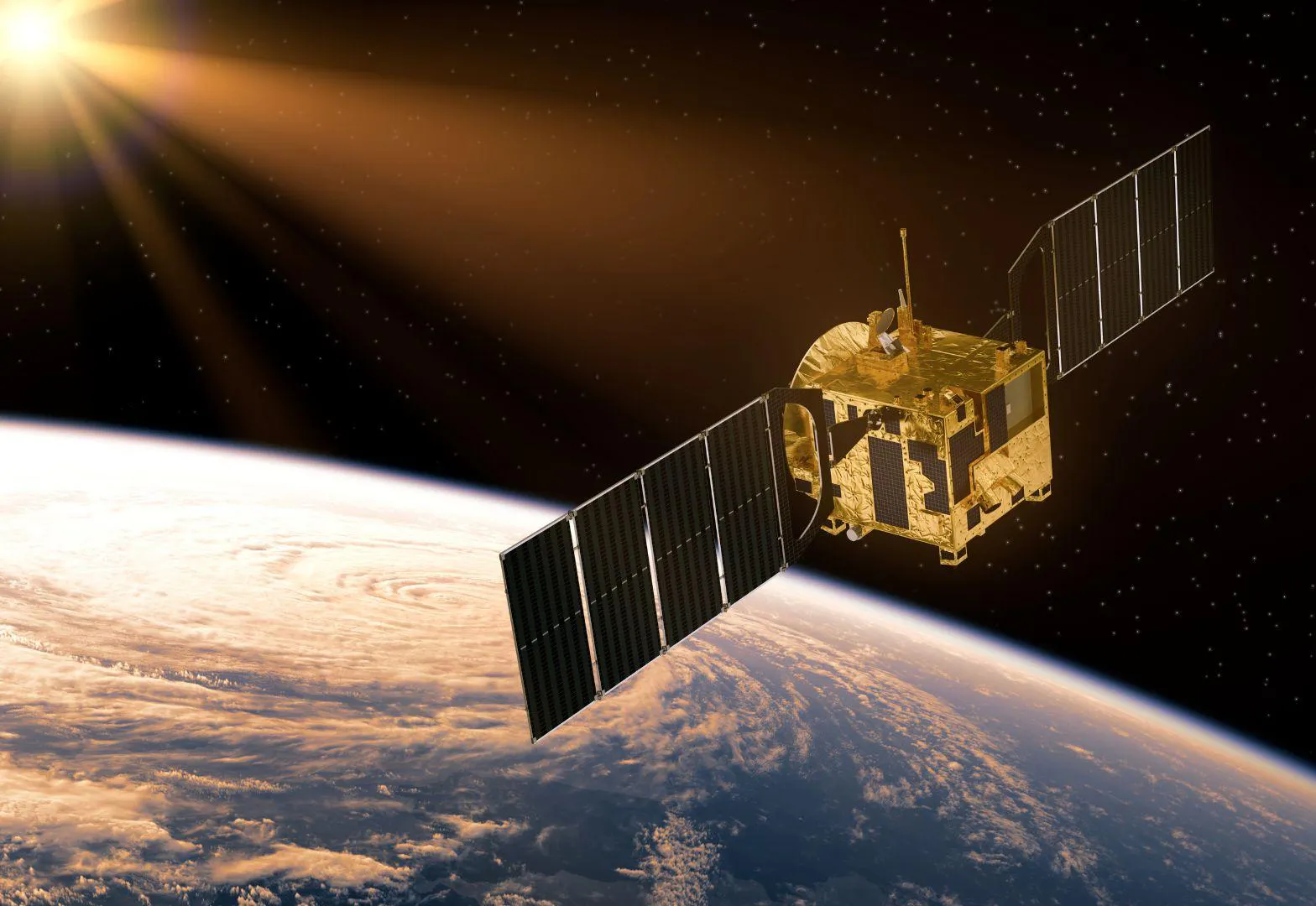
Solar storms are becoming a growing threat to satellites and global digital infrastructure.

Space is essential for modern life, but increasing space debris is making Earth’s orbit dangerous. Stronger regulations and sustainable practices are needed to protect space for the future.

On-orbit servicing turns satellites into maintainable infrastructure by enabling refueling, repair, and repositioning, extending their lifespan and creating a new layer of orbital economy.
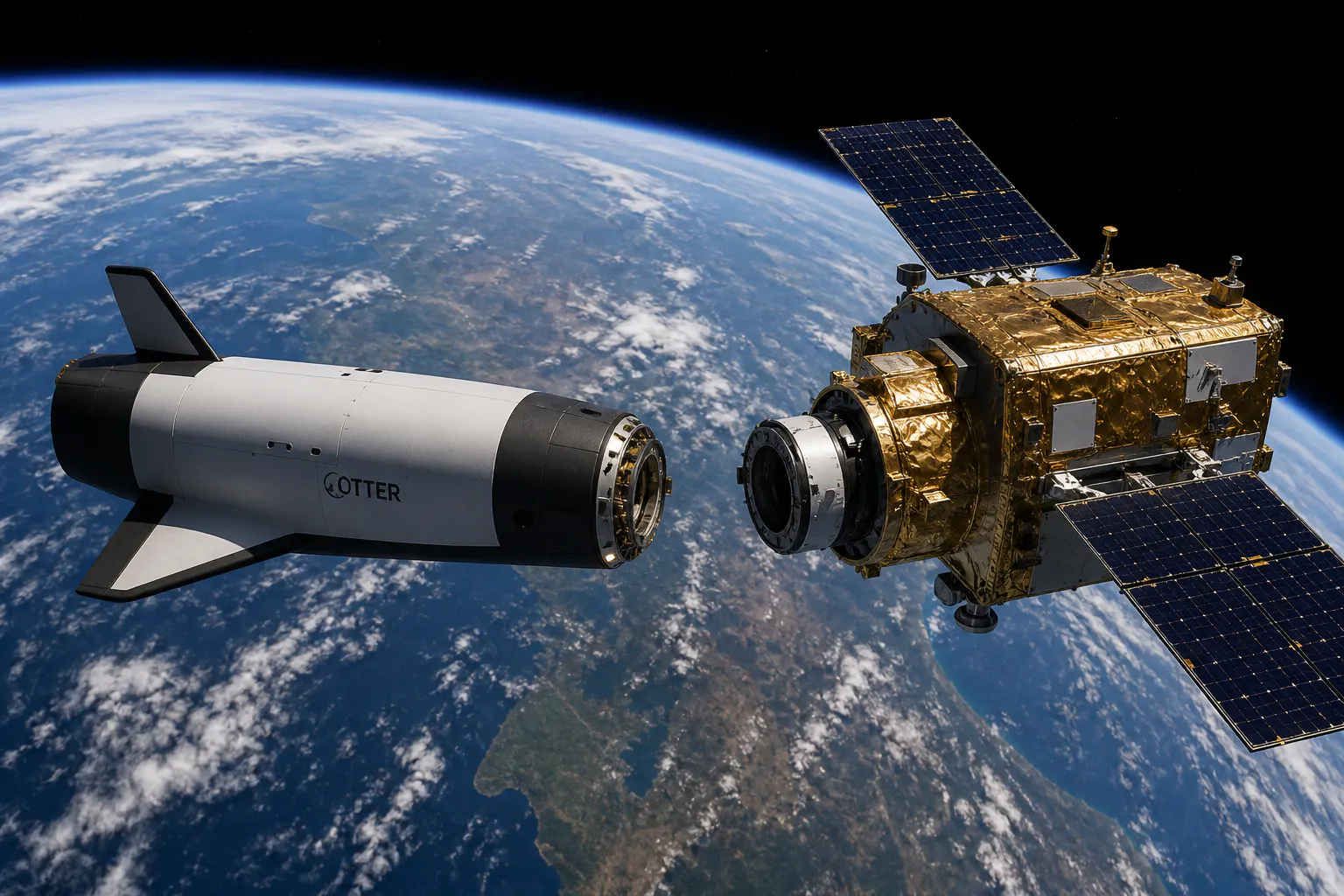
Space activity is expanding into the cislunar region, aiming to build a sustainable human presence and support a future space economy.

Europe temporarily lost independent access to space, but Ariane 6 and Vega-C restore it, highlighting launch capability as critical infrastructure.

Artemis II marks the return of humans beyond low Earth orbit and the shift from exploration to building sustainable space infrastructure, despite rising costs and growing commercial competition.
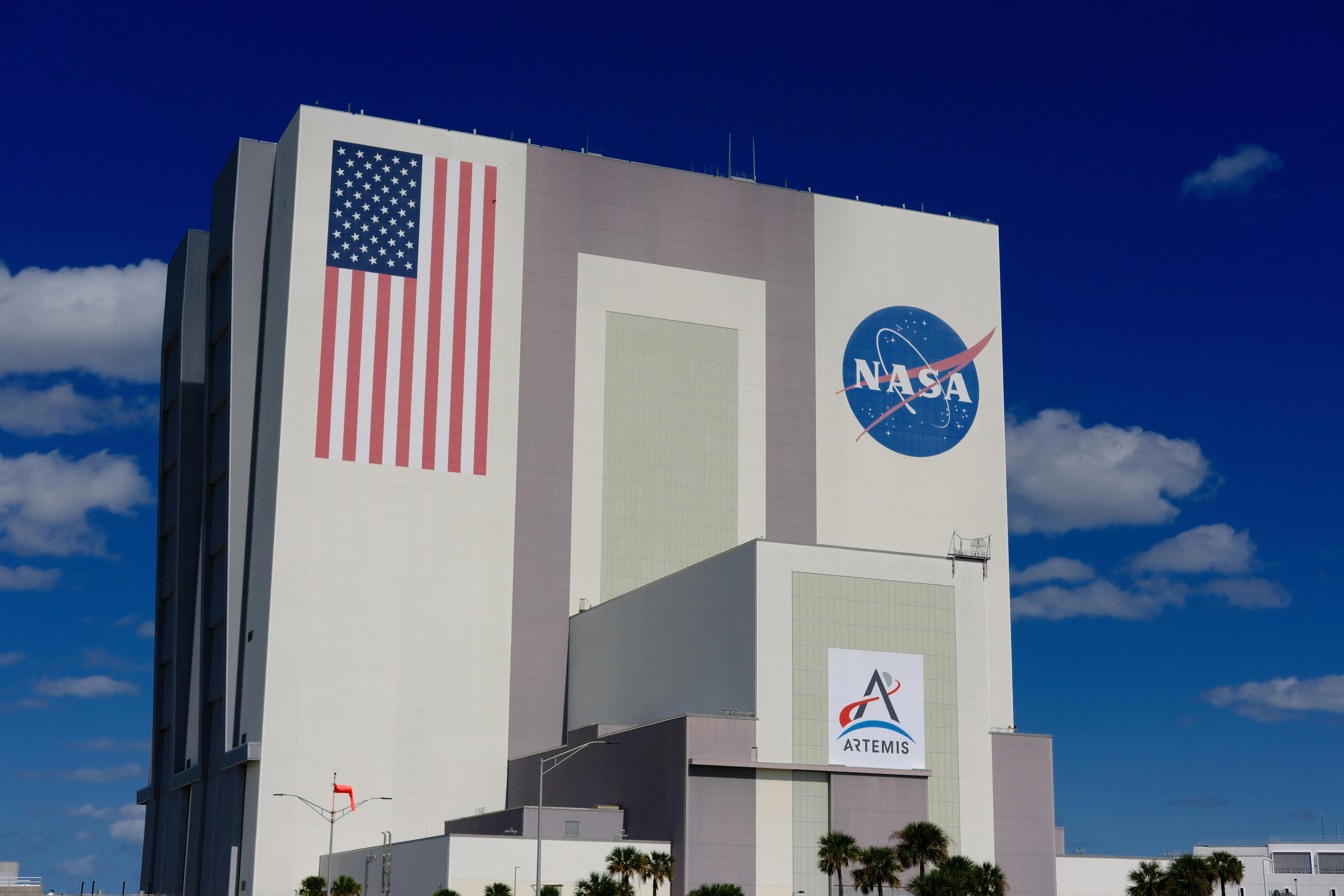
The space economy is increasingly driven by market forces rather than technology alone. Today, success depends on sustainable business models and return on investment, meaning financial viability—not rockets—will shape the future of space.

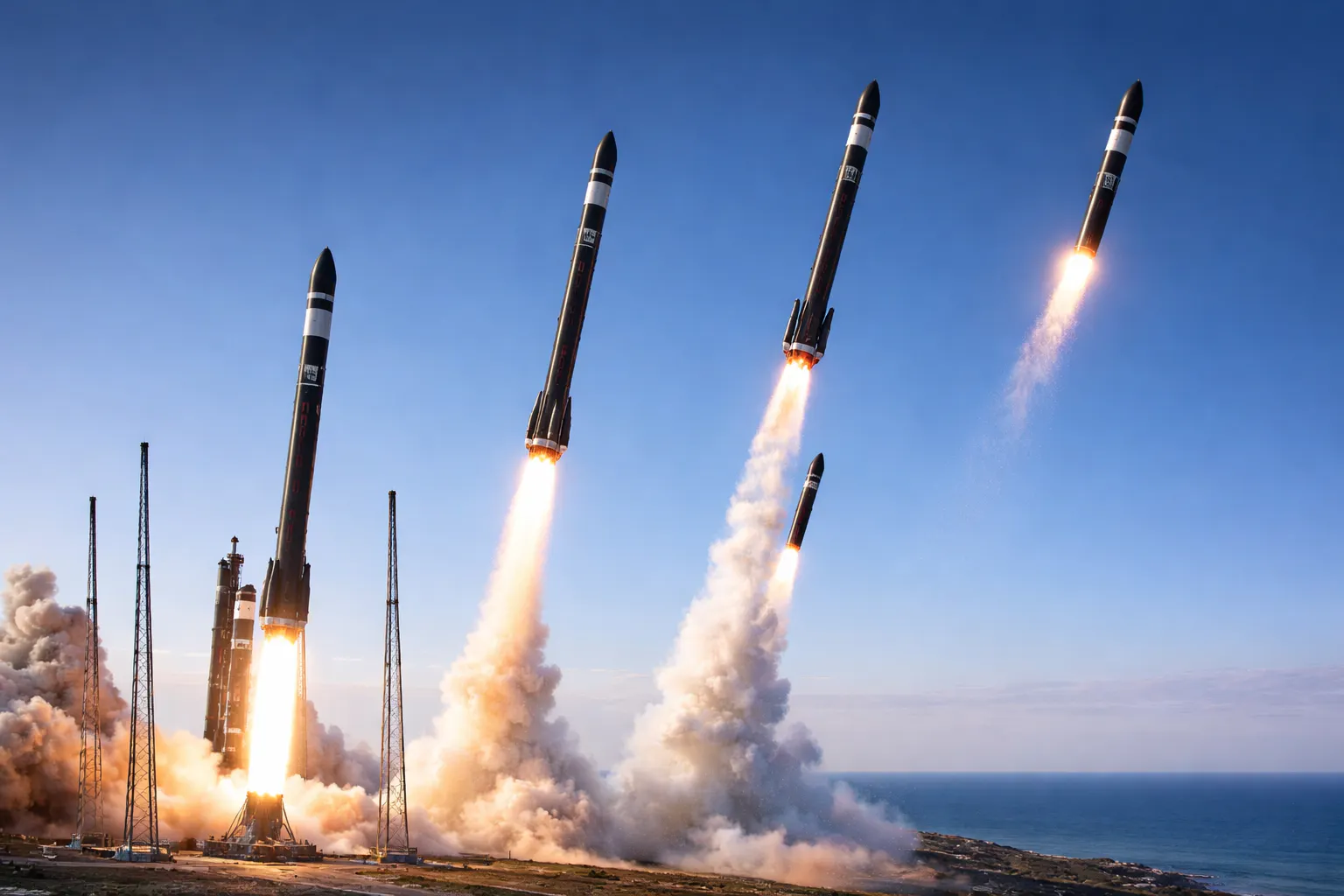
The space industry is now defined by how frequently and reliably launches happen, not just reaching orbit. High launch cadence depends on efficiency and integration, despite ongoing constraints.
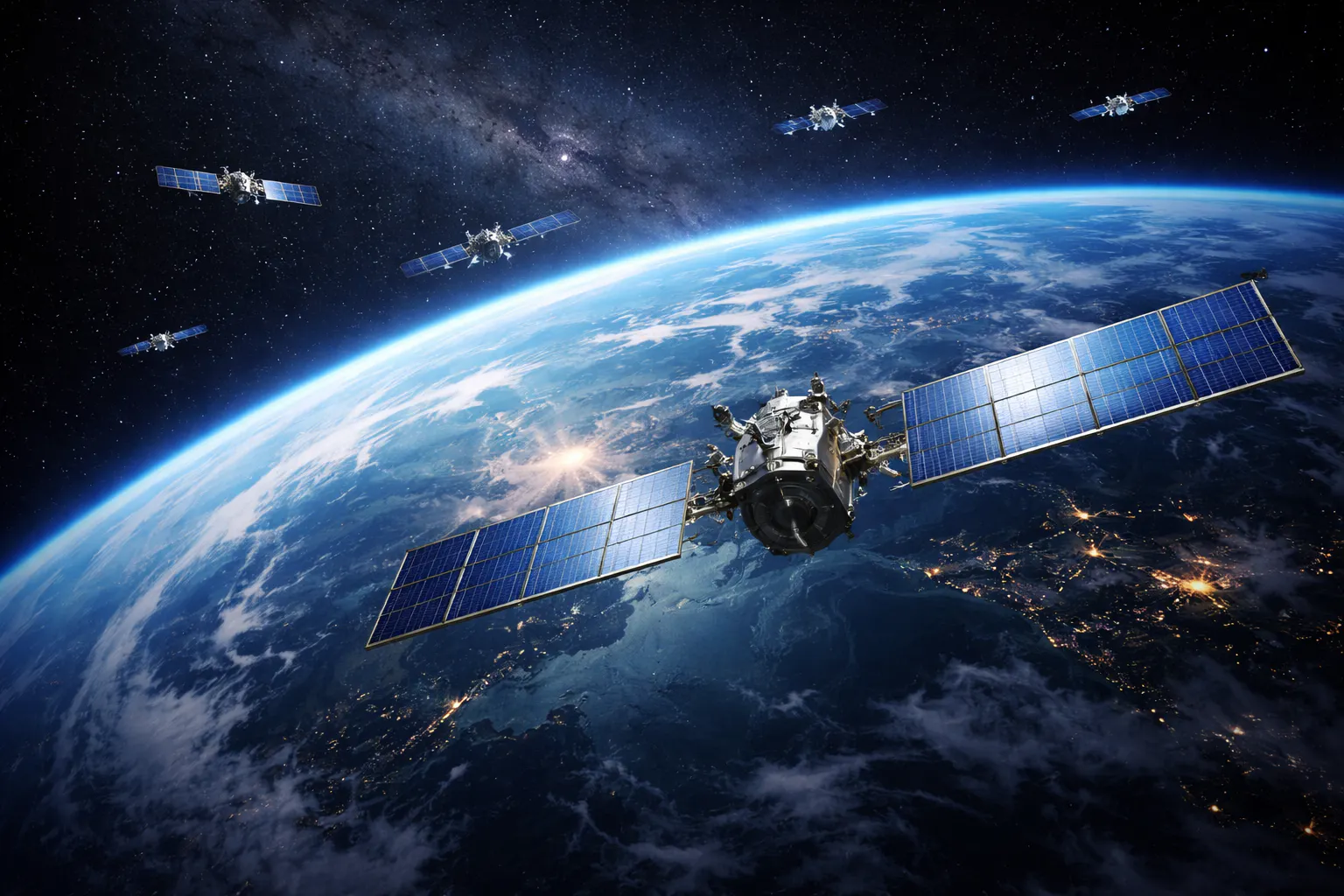
In 2026, the European Space Agency launched Celeste, a LEO navigation system to enhance Galileo with better accuracy and resilience.
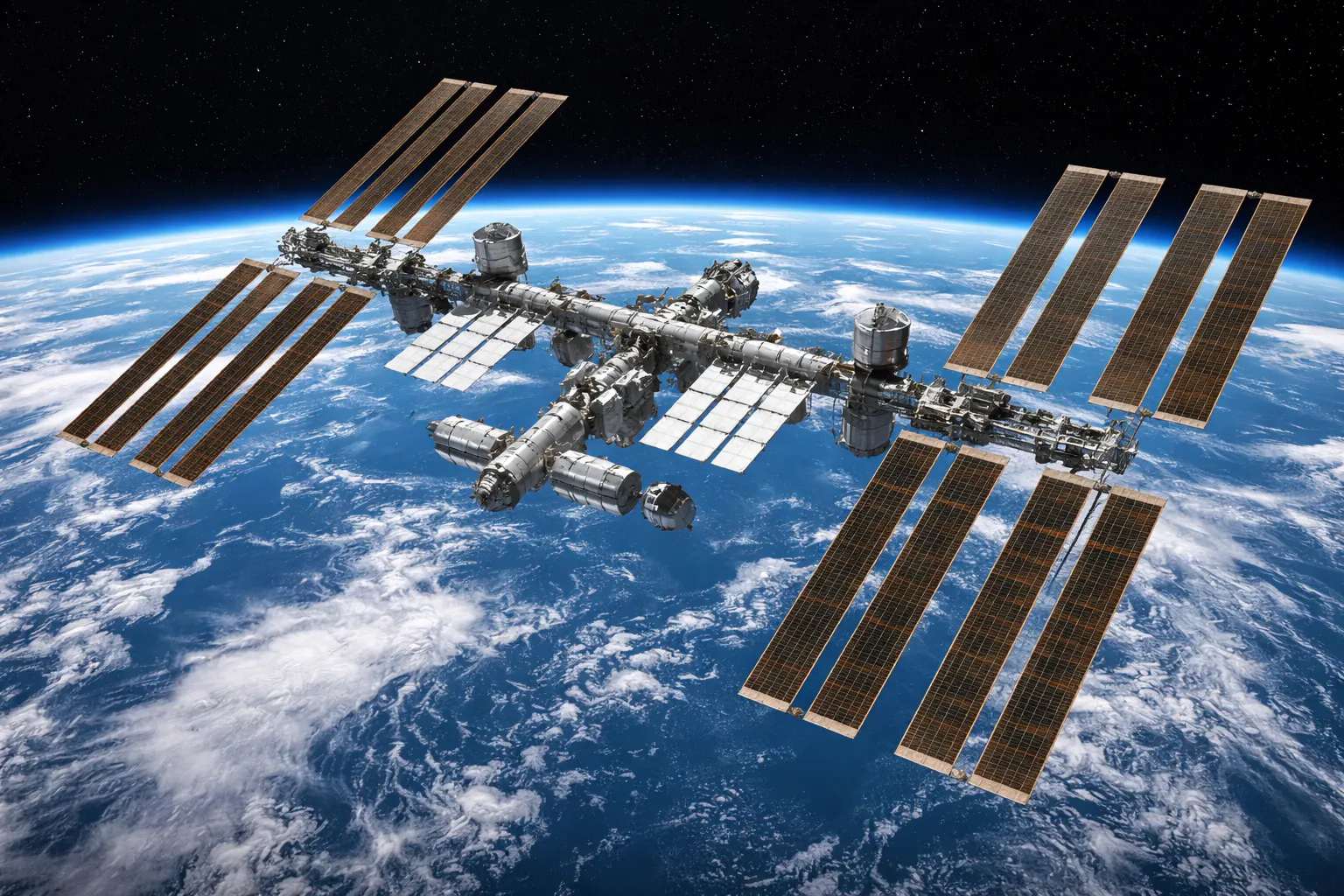
Progress MS-33 showed that space missions rely on reliability, backup systems, and strong infrastructure to overcome delays and technical issues.
Africa’s space sector is growing, but the key challenge is turning this progress into real benefits for society.

Orbital logistics are key to sustaining space operations, as shown by Japan’s HTV-X1.
It resupplied the ISS and supported experiments before reentry.
It highlights growth in the space economy and need for better regulation.
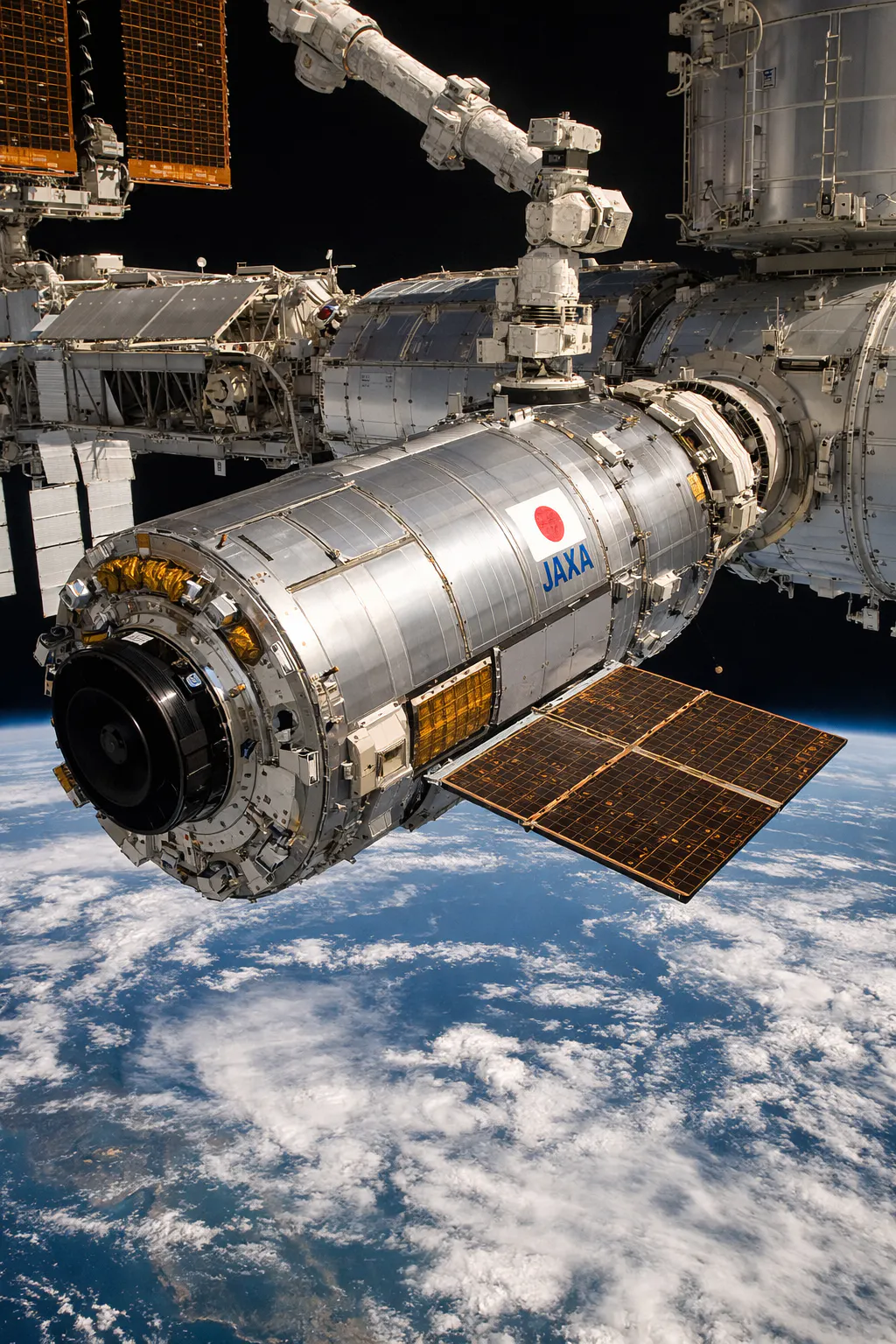
Satellite-to-phone technology could connect millions of offline Africans using regular smartphones.
Companies like Starlink and AST SpaceMobile are leading this innovation.
It could bridge the digital divide, though regulatory challenges remain.
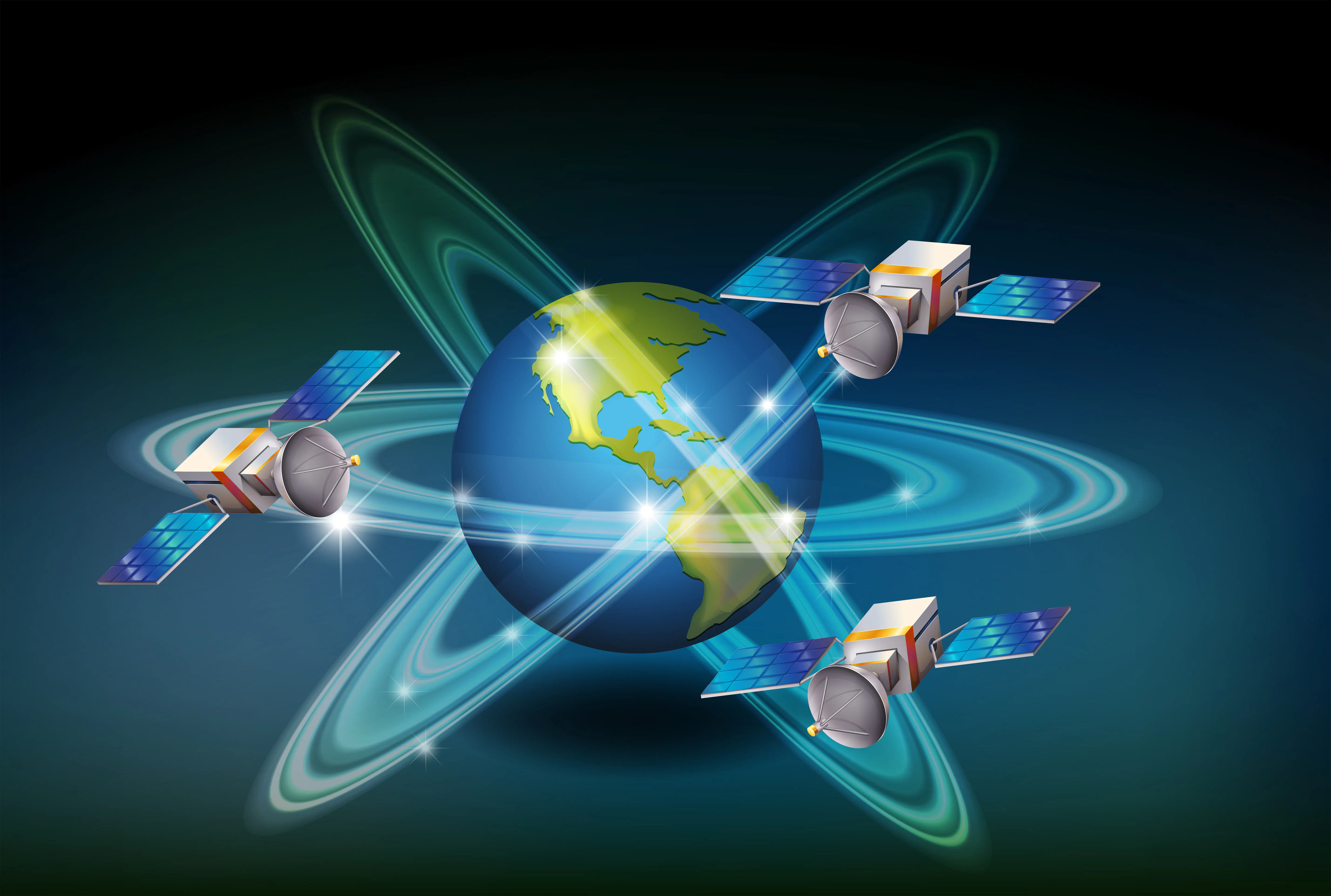
The ISS will retire by 2030, moving from government to commercial operations. This shift brings risks to research, cooperation, and safety. It marks major changes in space policy, economics, and sustainability.

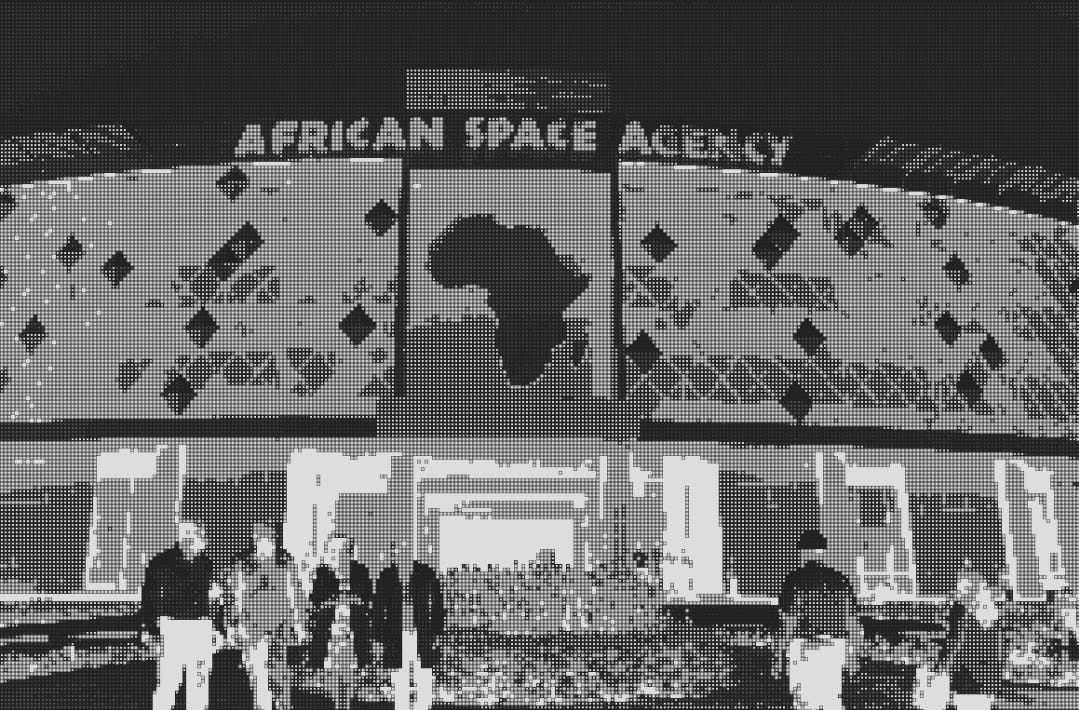
The African Space Agency (AfSA), part of the African Union, coordinates the continent's space activities since its inauguration in Cairo in April 2025. It supports Earth observation, navigation, satellite communications, and astronomy, while training African space professionals. Its challenges include stable funding, governance, and coordination among member states.
In 2026, China launches SBDCs to process AI and data directly in orbit, reducing reliance on terrestrial centers.
Rising energy demand and technological ambitions drive a “space-based data economy” with AI satellites and solar hubs.
Challenges remain in law, regulation, ethics, and orbital debris management.
SBDCs strengthen China’s technological growth, strategic autonomy, and global competition with the U.S.

The rise of non-geostationary satellite megaconstellations has rapidly increased global rocket launches, with a record 263 in 2024. Most launches now serve small-satellite constellations, driven by private companies and reusable rocket technology, which have lowered costs and expanded access. New commercial space firms worldwide are developing rockets of all sizes, and sea-based launches are growing, especially in China. The industry is valued at $13.6 billion and continues to grow quickly, with thousands of new satellites expected in the coming years and more countries building their own launch capabilities.
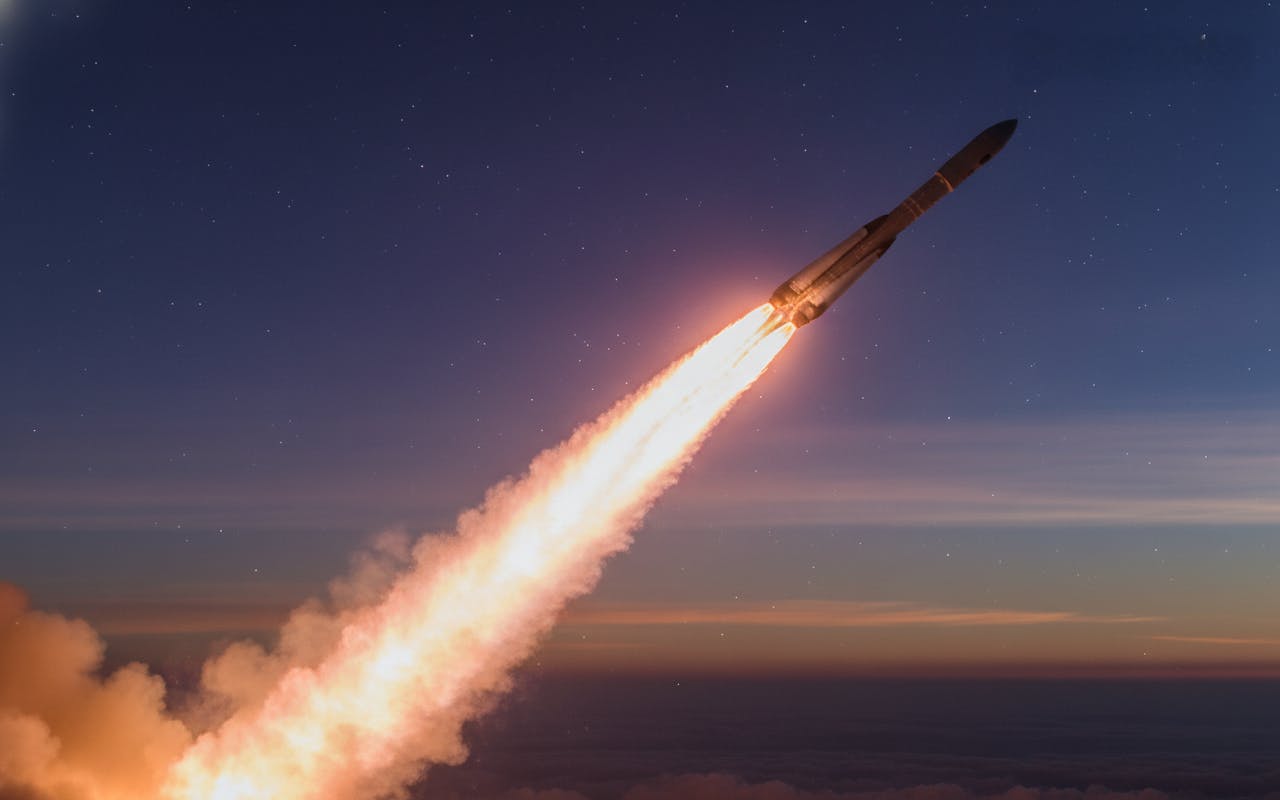
The global space sector is entering a new phase of growth, and space‑based data infrastructure is quickly moving from theory to reality. This shift has the potential to unlock enormous economic and sustainability benefits. At the same time, it raises important questions about governance, responsibility, and long‑term impact that the international system has not yet fully addressed.

HAPS technologies promise enhanced rural connectivity with emerging advancements. Challenges remain in operational economics and collaboration models. Uncertainty over D2D services further complicates HAPS' potential role in bridging connectivity gaps.

Navigating regulatory complexities is key for space ventures. Tailoring strategies to meet local requirements, building regulator relationships, and adapting to challenges ensures compliance, accelerates approvals, and secures global market entry.

Regulations are adapting to D2D satellite services all around the world. Nations are balancing mobile and satellite interests through primary allocation, shared-use models, and spectrum protection, aiming to resolve spectrum challenges before WRC-27

Succeeding within the ITU hinges on diplomacy, not just technology. True success lies in aligning diverse priorities, building consensus, and presenting goals as mutual gains to shape inclusive and impactful global standards.

This handbook outlines India’s space regulations, providing actionable guidance for global companies. It details authorization processes, investment frameworks, and compliance strategies essential for engaging with India’s dynamic space economy.
