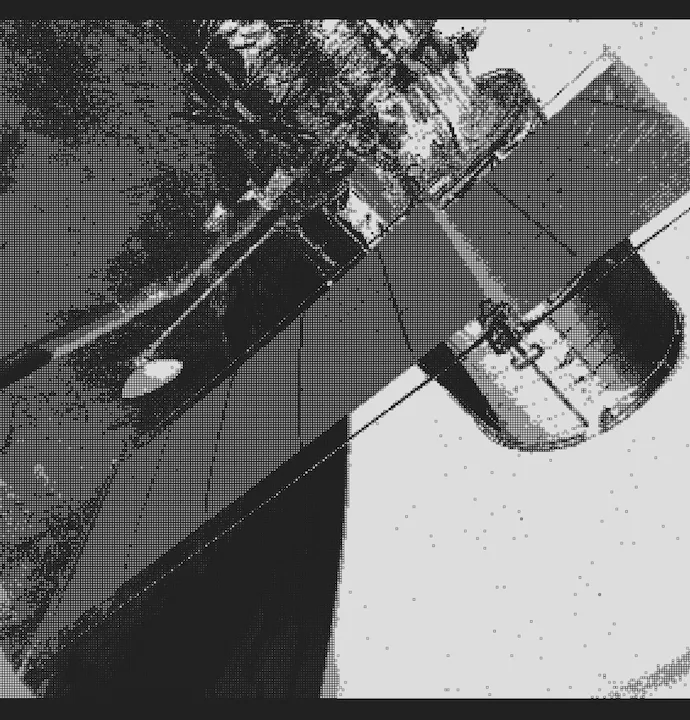
By the year 2030 we could witness the decommissioning of the largest structure ever assembled in orbit. The International Space Station (ISS), weighing 420 tonnes, orbiting at an altitude of 400 km, and supported by 15 countries, has operated as one of the most successful scientific collaborative feats in human history. However, international partners, led by the US and its National Aeronautics and Space Administration (NASA), have signalled the end of an era, proposing that the project be put to rest to pave way for more commercially viable space platforms in Low Earth Orbit (LEO). Aside from the many technology spinoffs derived therefrom (over 2,000), this would bring to an end the over 25 years of continuous habitation since the Expedition-1 Crew docked on the station on 2 November 2000. It goes without saying that the ISS has fundamentally shaped global collaboration in space, representing an almost three decades-long experiment in multilateral governance. So understandably, its decommissioning would raise questions about what exactly happens when humanity’s first and most ambitious orbital megastructure reaches the end of its life?
This article examines the five strategic risk implications of this impending transition from government-led orbital infrastructure to the next era of commercial space stations in LEO.
Risk 1 - A Potential Capability Gap in LEO
Microgravity research conducted aboard the ISS has contributed to several notable technological developments. For instance, the closed loop water-recycling system that was developed to ensure water efficiency onboard was later adapted on earth to serve extreme environments.In addition to this, technology used to monitor astronauts' heart rates while in space was later developed into implantable heart monitors, further revolutionising the health industry and demonstrating the Research & Development impact of the ISS.It remains to-date the longest running microgravity research centre in LEO, and its retirement will see the “passing-of-the-baton" to commercial companies such as Axiom Space, Vast and Blue Origin, all of which have made plans to develop their own private space stations.
Vast’s Haven-1 is tentatively scheduled for no earlier than May 2026, with Axiom Station (Axiom Space) and Orbital Reef (Blue Origin) slated for 2026-2027 and 2027-2030 respectively. These timelines notably fall before the intended decommissioning date for the ISS, which may indicate a desire to make the smooth transition from government to private, however, should further delays occur, which is expected in the dynamic industry of space, then there is a risk of a temporary “vacuum” in orbital research, one which might disrupt ongoing scientific programmes and commercial experiments. The ISS’s retirement makes a calculated bet on the timely maturation of commercial space stations.
Risk 2 - Destroying a USD$150 Billion Orbital Asset
The ISS programme is widely estimated to have cost around USD $150 billion across its international partners.NASA has begun to consider various modalities for deorbiting the ISS, the most likely being through a controlled atmospheric reentry where it would disintegrate into the South Pacific Ocean. Critics argue that it would potentially waste the billions of taxpayer dollars invested into bringing the platform to life. The preferred approach from these quarters would be to instead salvage some of the components of the ISS for future platforms or otherwise deorbit into the graveyard orbit where future generations could better deliberate on how to make best use of it. Others also suggest that this could be an opportunity to test in-orbit reuse or recycling technologies. The main thread of all of these arguments is that the ISS can be used as a foundation for ongoing research, and that a hasty decision to destroy rather than repurpose it would highlight the absence of a mature orbital circular economy. Therefore, it’s important for stakeholders to consider the manner in which the ISS is retired, as this may undoubtedly set a precedent for the lifecycle management of future orbital megastructures.
Risk 3 - Geopolitical Fragmentation in Orbit
In the face of mounting security concerns and matters of geopolitics, the ISS emerged as a symbol of unity, bringing together agencies including NASA, Roscosmos, the European Space Agency (ESA) and the Japan Aerospace Exploration Agency (JAXA), to name a few. Scientific cooperation remains a core ambition of exploration, and the retirement of the ISS risks fragmenting the current collaborative governance, which has long defined human spaceflight, from shared infrastructure toward nationally or commercially controlled stations. Few projects can achieve this level of international cooperation making the ISS possibly the last global space station. As governments gradually retreat from operating their own orbital platforms, commercial actors are increasingly expected to fill the vacuum.
Risk 4 - Dependence on Commercial Operators
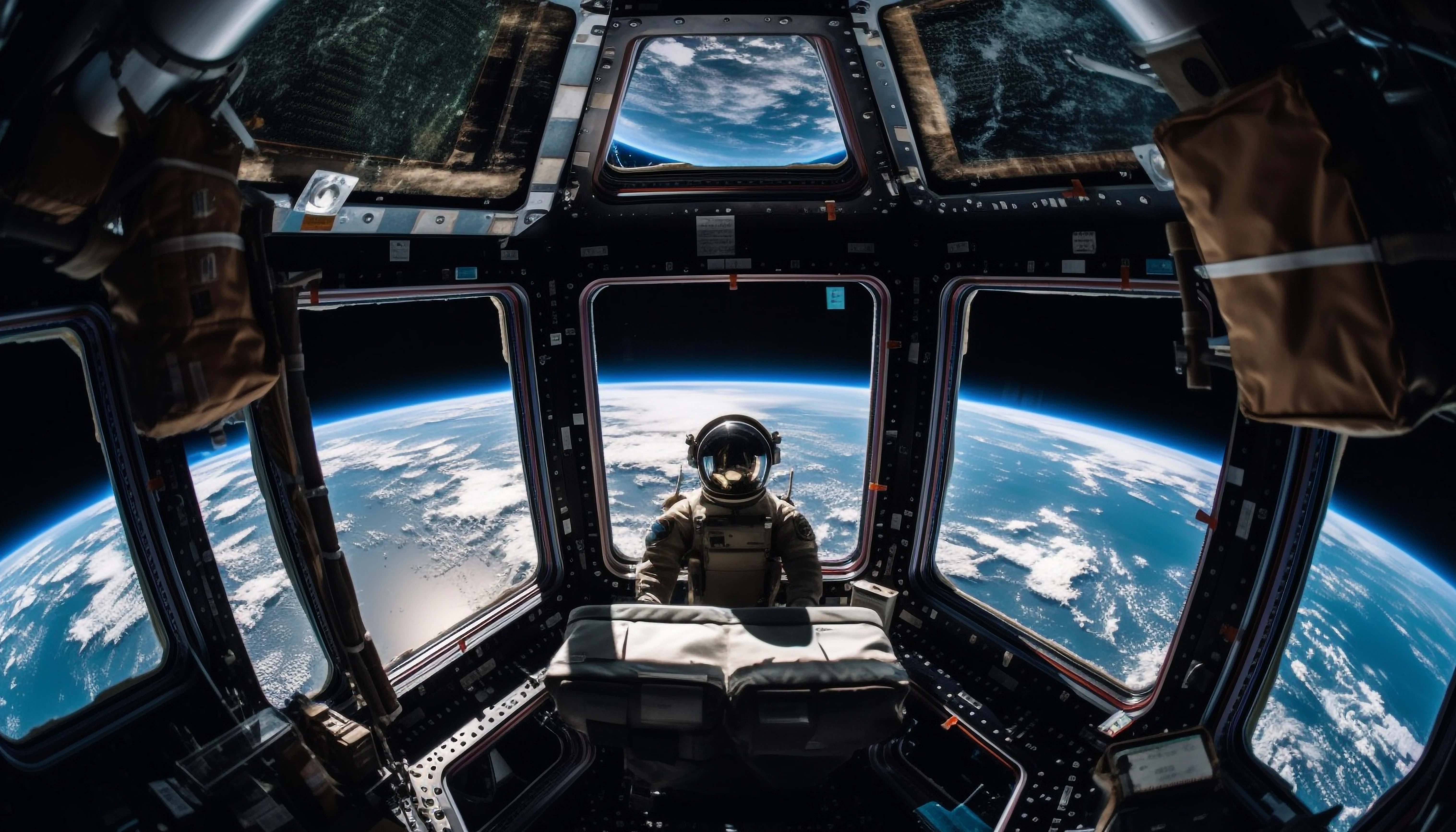
We have squarely entered the realm of space commercialisation, where private actors are leading the path towards sovereignty in space on behalf of their national administrations. Governments are increasingly shifting their LEO operations to the private sector through firms such as Northrop Grumman and Axiom Space, as the next custodians of orbital laboratories. While private companies are incentivised, and governments lower their costs, this model also introduces new dependencies particularly regarding timelines, financing and market demand. This in turn could result in the research ecosystem being driven less by public interest and more by the commercial viability of space projects. The decommissioning of the ISS is a shift from state-led exploration to market-driven orbital infrastructure.
Risk 5 - Safety Ending the Largest Structure Ever Built in Orbit
On the Sustainability front, disposing of the ISS presents a unique engineering challenge. To achieve this feat, NASA contracted SpaceX to develop the U.S. Deorbit Vehicle (USDV) to act as a space tug that would essentially pull and guide the station towards a controlled reentry over the South Pacific.This operation requires months of advance planning and coordination to avoid debris, and will help establish a technical and regulatory roadmap for the disposal of large orbital infrastructure. It stands to be seen whether this option would yield less risk of debris fallout, or will stakeholders bend to the will of certain quarters that would prefer the ISS to be salvaged for commercial purposes. Some proponents have suggested moving the ISS to the graveyard orbit though this would be technically impracticable, owing to its size and the massive propulsion that would be required. Ideally, to make good on the initial investment, reusing certain modules might be more prudent.
Conclusion
From the foregoing, it's clear that the end of the ISS’s lifespan is not just merely the retirement of a spacecraft, it's a matter of geopolitics, sustainability, technicalities and shifting policies in light of its influence on the development of space science for the betterment of humankind. The careful management of its lifecycle will help draw lessons for future projects, ranging from commercial space stations to even the Lunar Gateway and beyond. In that sense, the ISS’s final mission may be its most crucial yet: teaching us how great structures in orbit should end.