Overview of the African Space Agency
What began over a decade ago as a strategic aspiration within the African Union (AU) has evolved into a functioning continental institution with growing political momentum, and international partnerships The African Space Agency (AfSA) is increasingly positioned not as a symbolic initiative, but as a practical mechanism through which the continent can coordinate its space ambitions within the global space ecosystem.
The AU’s interest in space is not new. As early as 2013, the Union recognised that fragmented national investments and the absence of a shared continental framework risked limiting Africa’s ability to benefit from satellite technologies. The adoption of the African Space Policy & Strategy in 2016 marked the first coherent articulation of a collective vision. This was followed by the formal creation of the African Space Agency through the Statute adopted in 2018, and subsequent ratification processes that culminated in the designation of Egypt as host country in 2019. While institutional progress was initially slow, largely a result of the COVID pandemic, the vision of a unified African agency to pursue the the development and governance of space services remained clear.
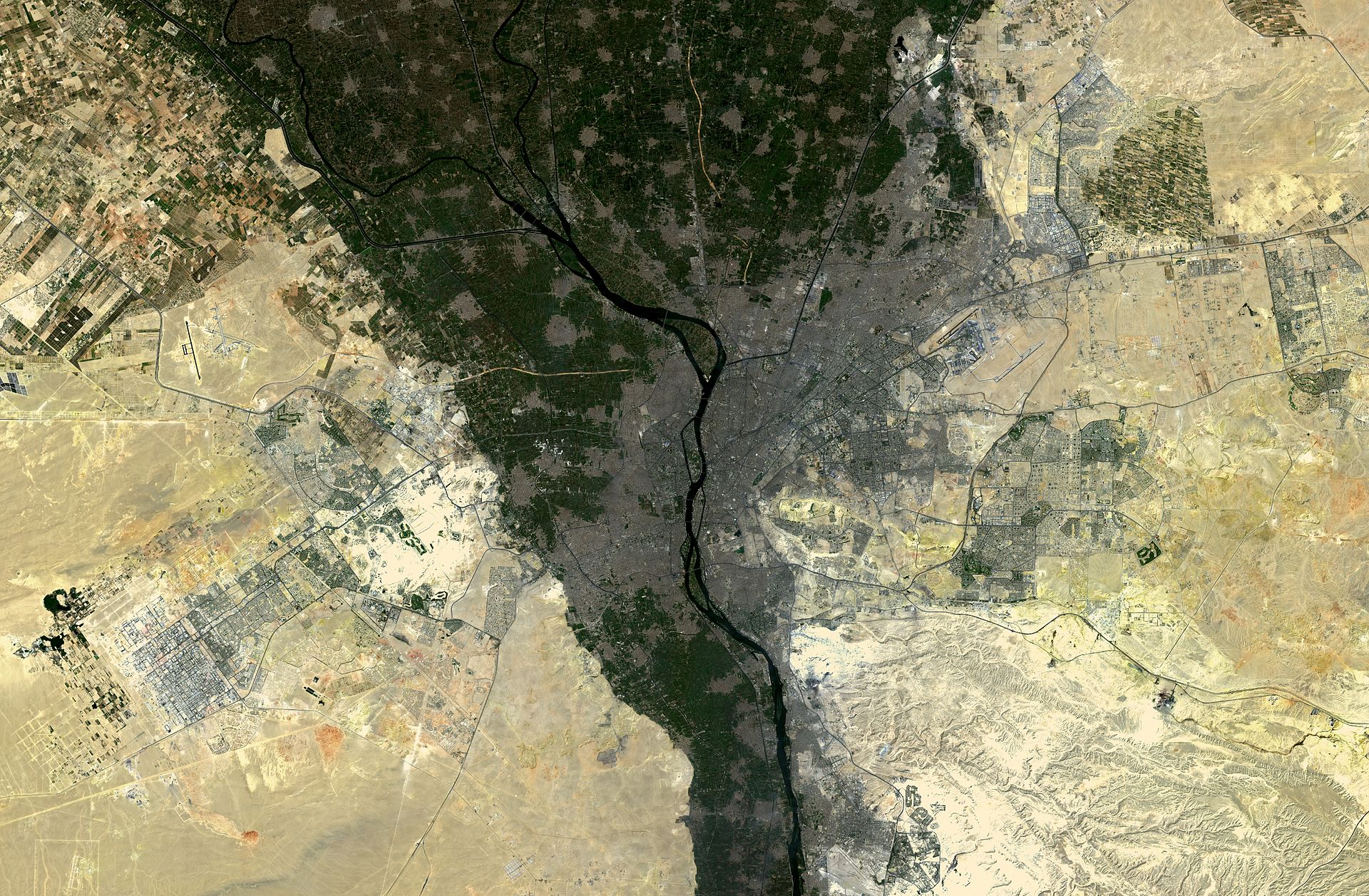
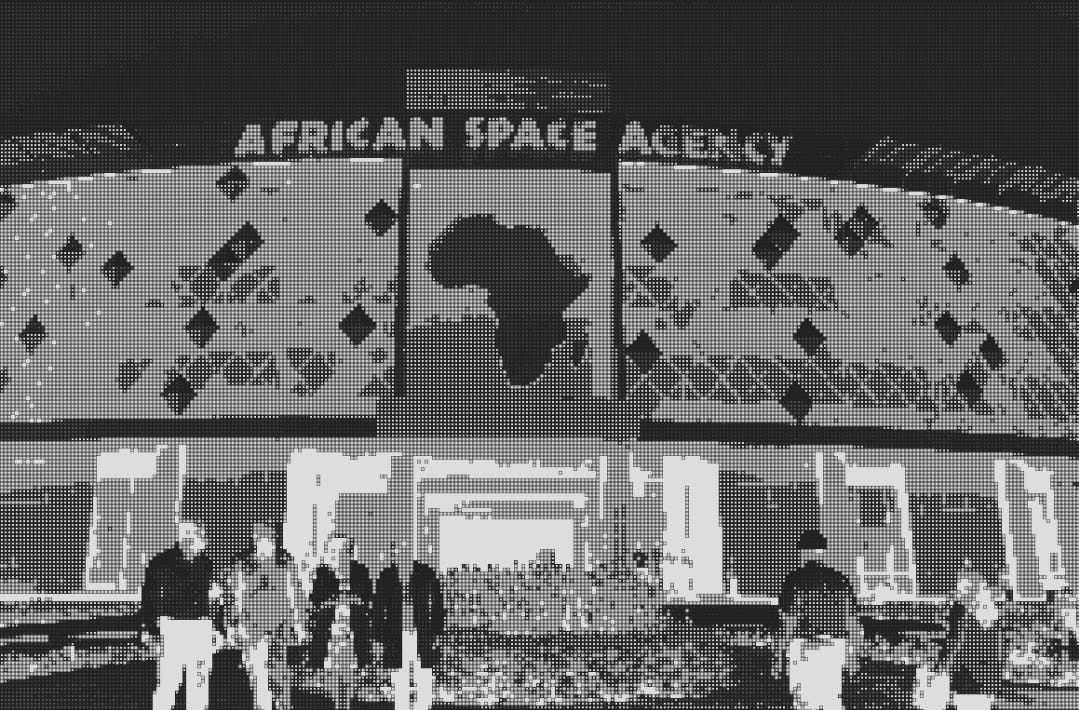
AfSA was formally inaugurated on 20 April 2025 in the Egyptian Space City in Cairo, signalling a significant milestone after years of planning, consultation, and legislative development. Its mandate reflects both continental priorities and global trends. Earth observation, navigation and positioning, satellite communications, and astronomy continue to underpin Africa’s socio‑economic development, from agriculture and environmental management to connectivity and disaster response. Yet Africa’s ability to fully leverage these technologies depends on coordinated governance, shared infrastructure, and a pipeline of scientific and technical capacity that spans the continent.
Pursuant to these priorities, in August 2020, the African Union Commission conducted some baseline studies of the four main segments of the programme. Preliminary studies had been completed on Earth Observation and Navigation & Positioning, and further studies were to proceed in Astronomy and Satellite Communications. The studies were conducted with the broad aim of assessing the socio-economic impact of space products and services.
AfSA took an important role beyond space operations per se and leaned into skills development. Early initiatives launched by AfSA signal a clear intent to build this foundation. Programmes such as the Young African Space Professionals Award, joint AfSA–ESA Space Systems Engineering.
Workshop,Satellite Optical Communications Training, and the Africa‑EU Space Partnership capacity-building calls all illustrate the Agency’s immediate focus on talent development and skills transfer.
Despite this energetic launch Africa’s space programme continues to face structural challenges. Funding remains a persistent issue: as an organ of the African Union, AfSA’s baseline financing is expected to come from AU Member States, with supplementary contributions from development partners. Egypt’s initial pledge of USD 10 million is an important enabler, but its impact depends on whether Member States consistently meet their obligations and whether the Agency can tap into broader financing mechanisms as its portfolio expands.
Funding aside, institutional architecture also continues to evolve. The Statute outlines the original governance structure such as the African Space Council, Advisory Committee, Secretariat, and Director‑General. However, some elements remain at a conceptual or pre‑operational stage. This is to be expected in a young agency, particularly one navigating a complex multilateral environment. Yet clarity on decision‑making processes, procurement mechanisms, and long‑term staffing will be essential as AfSA moves from programme initiation to sustained operational delivery.
The significance of AfSA’s launch extends beyond technical capabilities. It reflects Africa’s desire to shape its technological destiny and participate actively in global rule‑setting. Space is increasingly intertwined with geopolitics, security, climate resilience, digital transformation, and economic competitiveness. Without a continental institution, Africa risks being a passive consumer of space‑based services rather than an active contributor to their development, governance, and benefit-sharing.
Looking ahead, AfSA’s trajectory will depend on several enabling conditions: predictable financing; strengthened governance structures; accelerated capacity‑building; and strong alignment with Member States, Regional Economic Communities, and international partners. Much like the stepping‑stone approach used by the European Space Agency through its PECS mechanism, AfSA may benefit from phased integration pathways that allow countries to participate at varying levels while building capability over time.
Africa’s space programme is often framed as aspirational, but the reality is more pragmatic. Space‑based services already underpin critical sectors across the continent. The challenge is not whether Africa should invest in space, but how it can do so in a way that maximises shared benefits, avoids duplication, and ensures sustainability. AfSA’s establishment represents a significant step toward meeting that challenge. Its success will depend not only on technology, but on governance, cooperation, and the ability to translate political intention into sustained and coordinated action.